In the vibrant mix of global cultures, South Korea stands out as a destination rich in history and tradition, offering a unique blend of ancient customs and modern dynamism. Planning a cultural immersion trip to South Korea, therefore, presents an extraordinary opportunity to examine the heart of "Korean culture and history Korea." However, navigating this diverse landscape can be overwhelming, from understanding festivals rooted in ancient rituals to exploring the intricate nuances of the Korean language. This article serves as your practical guide, providing practical tips and insights to ensure a meaningful and enriching experience, allowing you to fully embrace the depth and beauty of "Korean culture and history Korea."
- Researching Korean Culture: Foundation & Expectations
- Planning Your Itinerary: Historical Sites & Local Experiences
- Immersing in Language & Customs: Tips for Success
- Exploring Korea's Culinary Heritage: Markets & Meals
- Respecting Local Traditions: Dress, Behavior, & Etiquette
Researching Korean Culture: Foundation & Expectations
Researching Korean Culture: Laying the Foundation for Your Immersion
Planning a cultural immersion trip to South Korea necessitates a deep examine the country's rich mix of history and tradition. Before you book your flight, invest time in understanding the foundational elements of Korean culture and history. This preparation will enrich your experience, making it more authentic and memorable. Start by familiarizing yourself with key historical periods like the Joseon Dynasty and the ancient Han-gok (Old Korea), which will provide context for the country's current social structure and values. Explore the fundamental principles of Confucianism, which has deeply influenced Korean society and family dynamics. These insights will not only enhance your respect for local customs but also help you navigate social interactions more effectively.
Learning about traditional Korean tea ceremonies, which have a long history and are still practiced today, can be a fascinating cultural experience. You might even consider attending a ceremony near you, offered by certified instructors, to get a taste of this ritual before your trip. Similarly, examining Korean cinema, with its rich history and global influence, can offer a window into contemporary Korean culture. While not a replacement for visiting the country, consulting with certified Korean cinema historians can provide valuable insights into the social and political themes explored in Korean films. This pre-trip research will allow you to engage more deeply with Korean culture and history upon arrival, ensuring a truly immersive experience.
Transitioning from research, practical steps include enrolling in a Korean Language Institute or taking online classes to learn the basic phrases and alphabet, Hangeul. Familiarity with even a few words will make your interactions with locals more meaningful. Explore cultural events and festivals, like the Gwanak Festival or Chuseok, to gain a sense of the vibrant celebrations that are integral to Korean life. This combination of historical knowledge and practical preparation will empower you to embrace the full richness of Korean culture and history during your trip.
Planning Your Itinerary: Historical Sites & Local Experiences
Planning a cultural immersion trip to South Korea involves more than just booking flights and hotels; it's about creating a meaningful experience that examines the country's rich history and vibrant present. When designing your itinerary, consider balancing visits to iconic historical sites with authentic local experiences. This blend offers a holistic understanding of Korean culture and history Korea, from ancient traditions to modern influences.
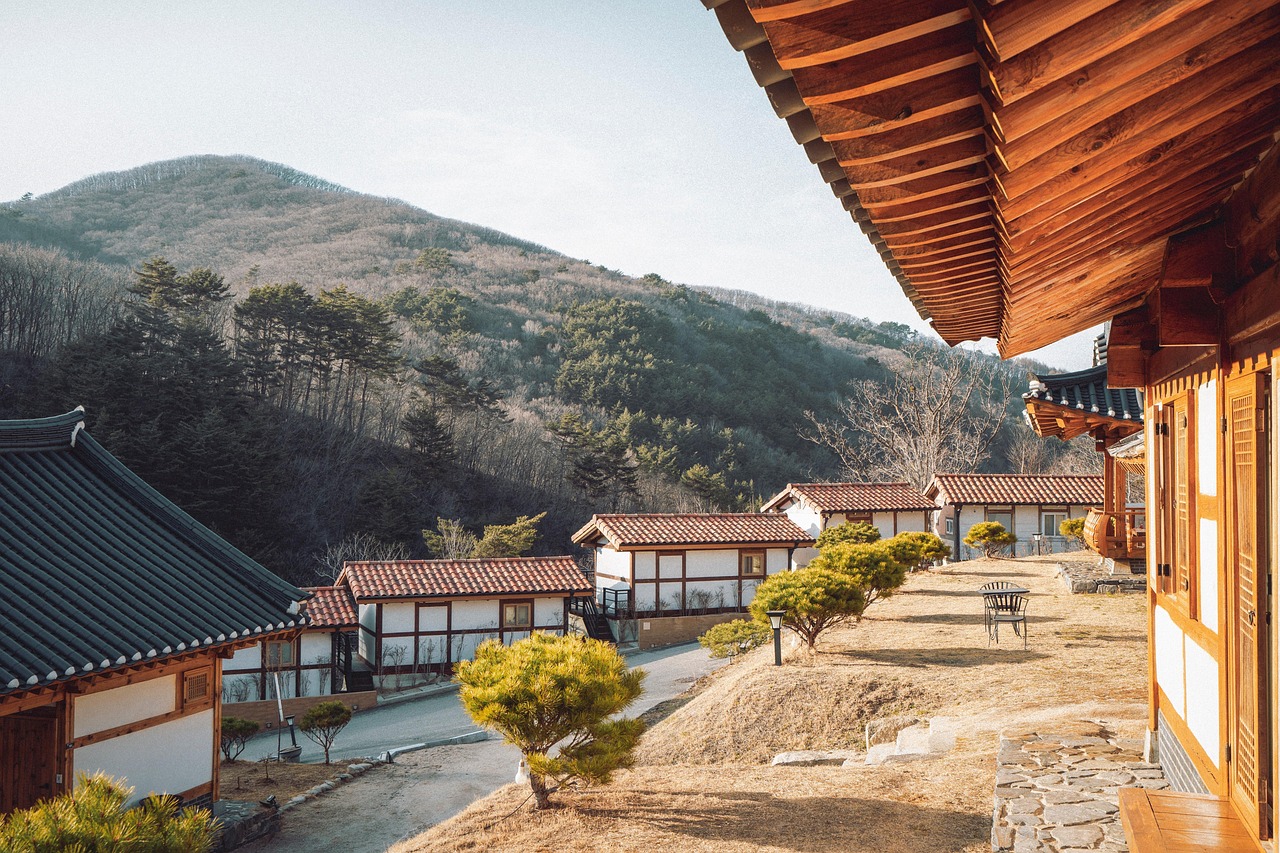
A same-day visit to Seoul can introduce you to centuries-old palaces like Gyeongbokgung, a sign of the Joseon Dynasty's grandeur. Nearby, the Bukchon Hanok Village offers a glimpse into traditional Korean architecture and life. Combining these sites with a stop at a certified Korean cinema historian's lecture or a Korean tea ceremony can provide deeper insights. These activities humanize the past, connecting historical sites to contemporary Korean culture and history Korea.
If your time allows, consider exploring beyond Seoul. The Gwanak Festival, for example, celebrates local heritage and offers a chance to interact with artisans and performers. Similarly, a trip to Busan might include a visit to the Gamcheon Cultural Village, a vibrant community known for its colorful houses and unique cultural experiences. These off-the-beaten-path experiences enrich your understanding of the diverse regions and communities within Korea.
Remember, the key to a successful historical site visit is to approach each location with an open mind and a sense of curiosity. Engage with local guides, ask questions, and participate in interactive exhibits. By immersing yourself in these experiences, you'll gain a deeper appreciation for the complexities and richness of Korean culture and history Korea.
Immersing in Language & Customs: Tips for Success
Planning a cultural immersion trip to South Korea involves more than just packing your bags and going. To truly experience Korean culture and history Korea, you need to plan for language immersion and understanding local customs. This is where the trip becomes truly transformative. Reliable Korean travel agencies can be invaluable here, offering packages tailored to your interests and proficiency in Korean.
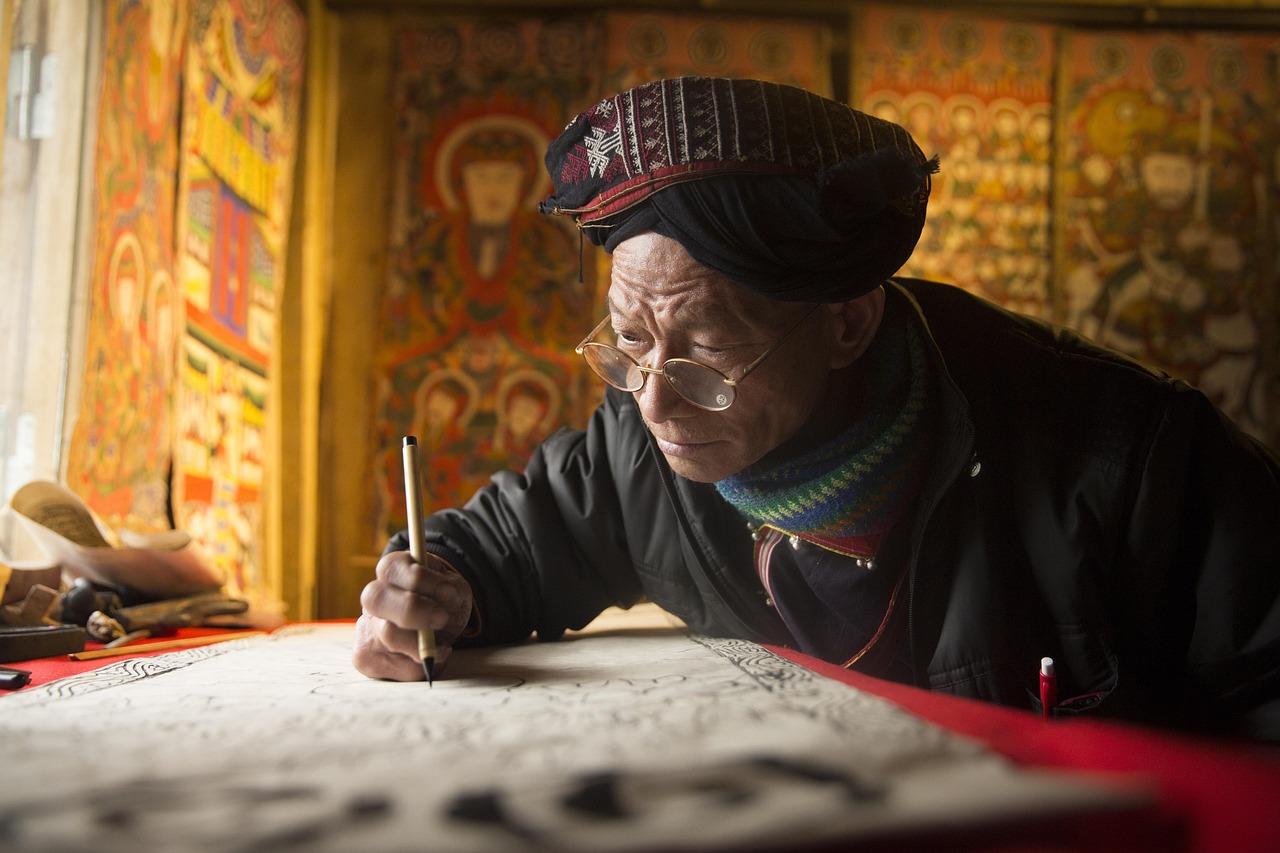
Language is more than just a tool for communication; it's a key to achieving deeper cultural connections. Consider joining a Korean language institute or taking a few classes before your trip. Even basic phrases can go a long way, allowing you to interact with locals, navigate markets, and gain a better understanding of the culture. Learning to say "annnnyeonghaseyo" () for hello or "gamsahamnida" () for thank you can open doors to genuine interactions. Many travel agencies offer cultural workshops that blend language learning with traditional Korean art forms like calligraphy or cooking, providing a well-rounded experience.
Customs and etiquette play a significant role in Korean culture and history Korea. Understanding basic norms, like removing your shoes before entering a home or temple, shows respect and makes you more welcome. Dressing modestly, especially when visiting religious sites, is appreciated. Exploring local markets, like the bustling Gwangjang Market in Seoul, offers a rich cultural experience, but be prepared for the sensory overload and remember to haggle respectfully. Cost-effective Korean fashion shopping is a draw for many, with districts like Hongdae or Myeongdong offering a mix of trendy and traditional clothing at accessible prices.
For the best Korean cultural experiences, consider participating in traditional ceremonies like Chuseok (Moon Festival) or Seollal (New Year), where you can learn about Korean rituals and family traditions. These events provide a unique glimpse into the country's history and values. By integrating language learning, understanding customs, and engaging in cultural activities, your trip will transform from a holiday into a profound exploration of Korean culture and history Korea.
Exploring Korea's Culinary Heritage: Markets & Meals
Exploring Korea's Culinary Heritage: Markets & Meals
Immersing yourself in Korean culture and history Korea through its cuisine is a remarkable way to connect with the country's past and present. The vibrant food scene offers a gateway to understanding local traditions, social structures, and even the region's complex history. Korea's culinary heritage is a living, breathing sign to the nation's diversity, with distinct regional specialties and time-honored recipes passed down through generations. To fully appreciate this culinary journey, plan to visit traditional markets and local eateries where you can savor authentic Korean dishes and engage with knowledgeable vendors.
Korean markets are vibrant hubs of activity, bursting with fresh produce, fragrant spices, and unique snacks. The Bukchon Hanok Village in Seoul's Insa-dong district is a food lover's paradise, featuring numerous shops selling traditional Korean ingredients and street food stalls offering a variety of regional specialties. Here, you can explore the rich culinary heritage of Old Korea (Han-gok) and interact with local history experts who can share insights into the cultural significance of various foods. These markets are not just about food; they are cultural experiences that provide a window into the everyday lives of Koreans and their historical practices.
Meal times in Korea are often communal affairs, reflecting the country's emphasis on relationships and respect. A traditional Korean meal typically includes a variety of dishes arranged in a specific order, known as "sang" (courses). Each course offers a unique flavor profile, showcasing the nation's diverse regional cuisines. A meal in the south might include spicy, grilled dishes, while a meal in the north might feature hearty, boiled dishes. Sampling local delicacies like bibimbap (a colorful rice bowl with vegetables and meat), kimchi (fermented cabbage), and bulgogi (marinated beef) will provide a rich culinary education. For those interested in a deeper examine Korean culinary history, emergency Korean history research can uncover fascinating stories behind specific dishes and ingredients, offering a unique perspective on the country's cultural evolution.
Consider participating in a Korean tea ceremony, a serene ritual steeped in tradition. These ceremonies, often held in historic homes or cultural centers, provide a chance to learn about the country's tea culture, which has deep roots in Confucian practices and social hierarchies. By engaging in these cultural practices, you'll gain a deeper appreciation for the nuances of Korean life and history, enriching your overall experience of exploring Korea's culinary heritage.
Respecting Local Traditions: Dress, Behavior, & Etiquette
Planning a cultural immersion trip to South Korea is an exciting endeavor, but respecting local traditions is paramount. Korean culture and history Korea are deeply ingrained in daily life, and visitors are expected to dress, behave, and adhere to specific etiquette rules. This section provides insights into navigating these cultural norms, ensuring a respectful and authentic experience.
Dressing appropriately is a key aspect of showing respect. In Korea, modest attire is valued, covering shoulders and knees. When visiting temples or traditional homes, covering your shoulders and wearing socks is mandatory. Locals appreciate visitors' efforts to blend in, especially in rural areas where traditional customs prevail. Cost-effective Korean fashion shopping is possible at local markets and district shops, offering a variety of styles that respect cultural modesty. Myeongdong Market in Seoul is renowned for its fashion and beauty products, catering to all budgets.
Behavior and etiquette are crucial elements of Korean culture and history Korea. Bowing is a common greeting and expression of respect, with the depth of the bow indicating formality. Using both hands to offer or accept items is considered polite, and removing shoes before entering homes or traditional places of worship is mandatory. During meals, it's customary to wait for the oldest person to begin eating first. Korean dining etiquette involves sharing dishes and using chopsticks, with specific rules for certain foods. Respecting these customs not only demonstrates appreciation for the culture but also fosters positive interactions with locals.
For same-day Seoul historical site visits, a well-planned itinerary is essential. Many sites are spread across the city, and public transportation is efficient. The Seoul Metro, for instance, connects most historical areas, making it easy to navigate. When visiting cultural events, advance booking is often required, and reviews can provide valuable insights. Sites like the Namsan Seoul Tower or traditional performance halls like the National Theater of Korea offer immersive experiences with varying reviews, so checking local forums can help you make informed choices. Remembering and practicing these cultural norms will enrich your trip, allowing for deeper connections and a more authentic Korean experience.
Frequently Asked Questions About How to Plan a Cultural Immersion Trip to South Korea: Tips and Tricks
What is the best time of year to visit South Korea for a cultural immersion trip?
The best time to experience South Korea's rich culture depends on your interests. Spring (March to May) offers mild weather and the stunning cherry blossom season, perfect for exploring cities like Seoul. Autumn (September to November) is another popular time, with cooler temperatures and vibrant foliage, ideal for hiking and visiting traditional villages. Summer (June to August) can be hot and humid, but it's a great time for beach activities and festivals. Consider the events you want to attend and the regions you wish to visit when choosing your travel dates.
How long should I plan to stay in South Korea for a meaningful cultural experience?
For a comprehensive cultural immersion, aim for at least 7 to 10 days. This allows enough time to explore major cities, interact with locals, and participate in traditional activities. Longer stays enable deeper connections with the culture, including attending local festivals, visiting rural communities, and engaging in hands-on workshops, ensuring a richer travel experience.
What are some essential cultural experiences to include in my itinerary?
South Korea offers a diverse range of cultural experiences:
- Visit a Traditional Village: Explore historic villages like Namsangol Hanok Village in Seoul, where you can learn traditional crafts and experience daily life as it was centuries ago.
- Attend a Tea Ceremony: Participate in a traditional Korean tea ceremony, a ritual that showcases respect, harmony, and tranquility, deeply rooted in Korean culture.
- Learn to Cook Korean Food: Enroll in a cooking class to master Korean cuisine's unique flavors and techniques, allowing you to recreate dishes at home.
- Experience a Hanbok Ceremony: Dress in a hanbok, the traditional Korean dress, and attend a cultural event or wedding to fully appreciate its beauty and significance.
Can I easily get around between different regions in South Korea?
Absolutely! South Korea boasts an efficient public transportation system, making it easy to travel between cities. High-speed trains (KTX) connect major metropolitan areas, offering a comfortable and affordable way to cover longer distances. Buses are also readily available for regional travel, while local taxis and ride-sharing apps provide convenient options for shorter trips within cities.
How can I respect local customs and traditions during my visit?
South Koreans highly value respect and politeness. Here are some key customs to remember:
- Greet people with a slight bow, especially elders and those in positions of authority.
- Remove your shoes before entering traditional homes or some temples.
- Be mindful of dining etiquette, such as not eating while standing or walking, and using chopsticks properly.
- Learn a few basic Korean phrases to show respect and appreciate the local culture.
- Dress modestly when visiting religious sites, covering shoulders and knees.
Planning a cultural immersion trip to South Korea offers a profound opportunity to examine the rich mix of Korean culture and history Korea. By researching traditional customs, respecting local etiquette, and immersing yourself in the language, you can transform a typical vacation into a transformative experience. From exploring historic sites and culinary delights to understanding the social fabric, this journey provides invaluable insights into the unique blend of ancient traditions and modern innovations that define the country.
Key takeaways from this practical guide include the importance of pre-trip research, the value of local interactions, and the appreciation of Korea's diverse cultural expressions. By following these tips and tricks, travelers can navigate their experiences with confidence, ensuring they not only see the landmarks but also truly understand the spirit of Korean culture and history Korea.
Next steps for the engaged reader include practical planning, such as enrolling in a Korean language course, booking stays in traditional hanoks, and participating in cultural events. Embracing these actions will deepen your connection to South Korea's heritage, leading to unforgettable memories and a newfound appreciation for the complexities and beauty of Korean culture and history Korea.
Researching Korean Culture: A Practical guide
To fully immerse in South Korea, start by understanding its rich history and tradition. Key periods like Joseon Dynasty and ancient Han-gok provide context for social structure. Learn about Confucianism's influence on society and family dynamics. Participate in cultural events like traditional tea ceremonies and cinema lectures for deeper insights.
Language & Immersion
Learn basic Korean phrases for authentic interactions. Enroll in language institutes or take online classes. Engage with locals at markets, cultural workshops, and events to gain a sense of Korean life.
Culinary Exploration
Visit traditional markets like Bukchon Hanok Village for food and history. Understand the regional diversity and social significance of Korean dishes. Participate in tea ceremonies for a glimpse into tea culture and social hierarchies.
Cultural Norms & Etiquette
Respect local customs by dressing modestly, removing shoes, and following dining etiquette. Bowing, using both hands, and sharing dishes are common greetings and customs. Plan itineraries, research events, and check local forums for positive experiences.