In the vibrant mix of Korean culture and history Korea, music has long been a powerful expression of identity, tradition, and social life. From the haunting melodies of ancient instruments like the gugak and aak to the electrifying rhythms of contemporary K-pop, Korean music has evolved and gained global recognition. However, understanding this journey requires examining the country's rich history, social structures, and the unique blend of influences that have shaped its musical landscape. This article explores the fascinating evolution of Korean music, tracing its roots from traditional festivals like Chuseok and Seollal to its modern-day dominance, as represented by global sensations like BTS, while shedding light on the cultural and historical context that makes Korean music so captivating.
- Traditional Instruments: Korea's Musical Roots
- Evolving Sounds: From Folk to Court Music
- Global Reach: The Rise of K-Pop
- Cultural Fusion: Modern Korean Music Scene
- Korea's Musical Heritage: Preservation and Impact
Traditional Instruments: Korea's Musical Roots
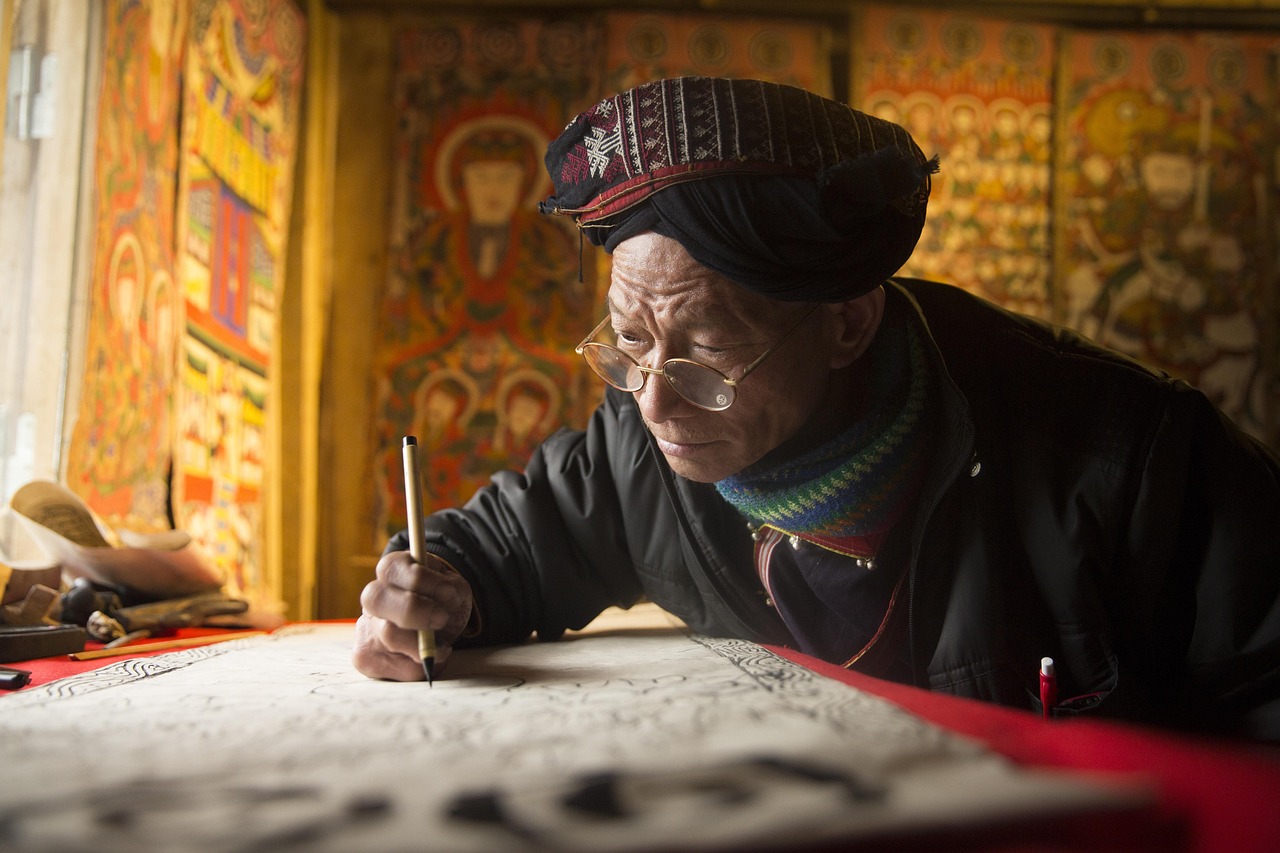
Korean culture and history Korea is deeply intertwined with its traditional music, which finds its roots in the country's rich history. The musical instruments that have been passed down through the generations offer a unique window into the past. These instruments, often made from natural materials, are not just tools for creating melodies but are integral to Korean cultural heritage. One of the most distinctive features of traditional Korean music is the use of unique, specialized instruments, each with its own distinct sound and playing technique.
The haegeum, a bowed string instrument, is known for its high-pitched, piercing tone and is often featured in ensembles and solo performances. Another notable instrument is the daegeum, a vertical flute, which produces a deep, resonant sound. These instruments have been a part of Korean musical life for centuries and are still enjoyed during traditional performances and festivals, such as the Gwanak Festival in Seoul. Exploring the history of these instruments can be as enriching as attending a live performance, with many walking tours in Korea's cities focusing on their cultural significance.
Korean history walking tours often examine the origins of these instruments, providing insights into the social and cultural context in which they were created. Experiencing Korean street food guides, meanwhile, can offer a chance to connect with the country's vibrant culinary culture while also learning about local traditions. Reviews for Korean cultural events, from music festivals to traditional dance performances, highlight the enduring appeal of these age-old art forms. Engaging with these various aspects of Korean culture allows visitors to gain a deeper understanding of the country's history and the roots of its modern music scene, from the traditional gugak to the contemporary K-pop sensations that have taken the world by storm.
Evolving Sounds: From Folk to Court Music
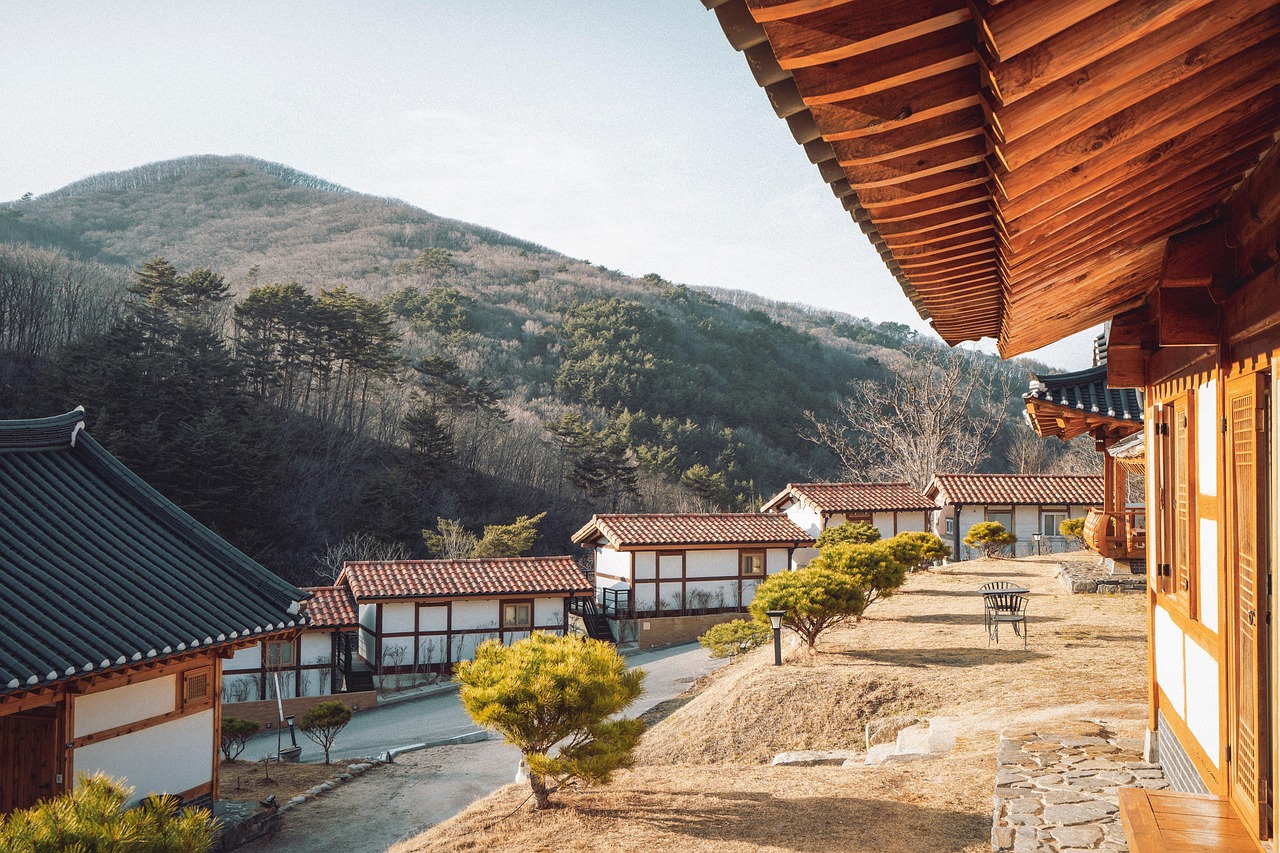
Korean music has a rich mix woven with threads from various historical periods, each contributing unique sounds and styles to the nation's cultural heritage. Understanding the evolution of Korean music offers a window into the country's history and social shifts. From the humble beginnings of folk music played by farmers and fishermen to the grand court concerts of the Joseon Dynasty, Korean music has adapted and grown, eventually giving birth to the global phenomenon known as K-pop.
The transition from folk to court music was marked by a shift in instrumentation and performance contexts. Traditional Korean instruments like the daegeum (a vertical flute), haegeum (a two-stringed fiddle), and buk (a barrel-shaped drum) were initially used for everyday entertainment and ritual ceremonies. However, as the Joseon Dynasty solidified its rule, court music became a significant aspect of royal culture. This evolution led to the creation of complex ensembles, such as the aak (court music ensemble), which required advanced skill and precision. The aak performances, often held in grand halls, showcased the refined tastes of the nobility and marked a significant departure from the folk music of the common people.
This period also saw the rise of pansori, a form of storytelling music that combined singing, speech, and dramatic gesture. Pansori performers, like the renowned Deokbaek, would travel from town to town, narrating epic tales of love, loyalty, and betrayal. This art form, which has been recognized as a UNESCO Intangible Cultural Heritage, continues to captivate audiences today, with top-rated Korean language schools and licensed art workshops making it accessible to curious travelers. Students at these schools can learn sangjo, a genre of music that reflects the diverse regional styles and historical influences shaping Korean music.
The rich musical heritage of Korea, from its folk roots to its courtly refinements, has laid the foundation for the country's modern music scene. Today, K-pop, with its catchy beats and high-energy choreography, has taken the world by storm, becoming a global cultural export. Trusted Korean wedding planners often incorporate traditional music into ceremonies, blending old and new to create memorable experiences. As Korea continues to engage with the world through its music, the evolution of Korean sounds remains an intriguing chapter in the country's cultural history.
Global Reach: The Rise of K-Pop
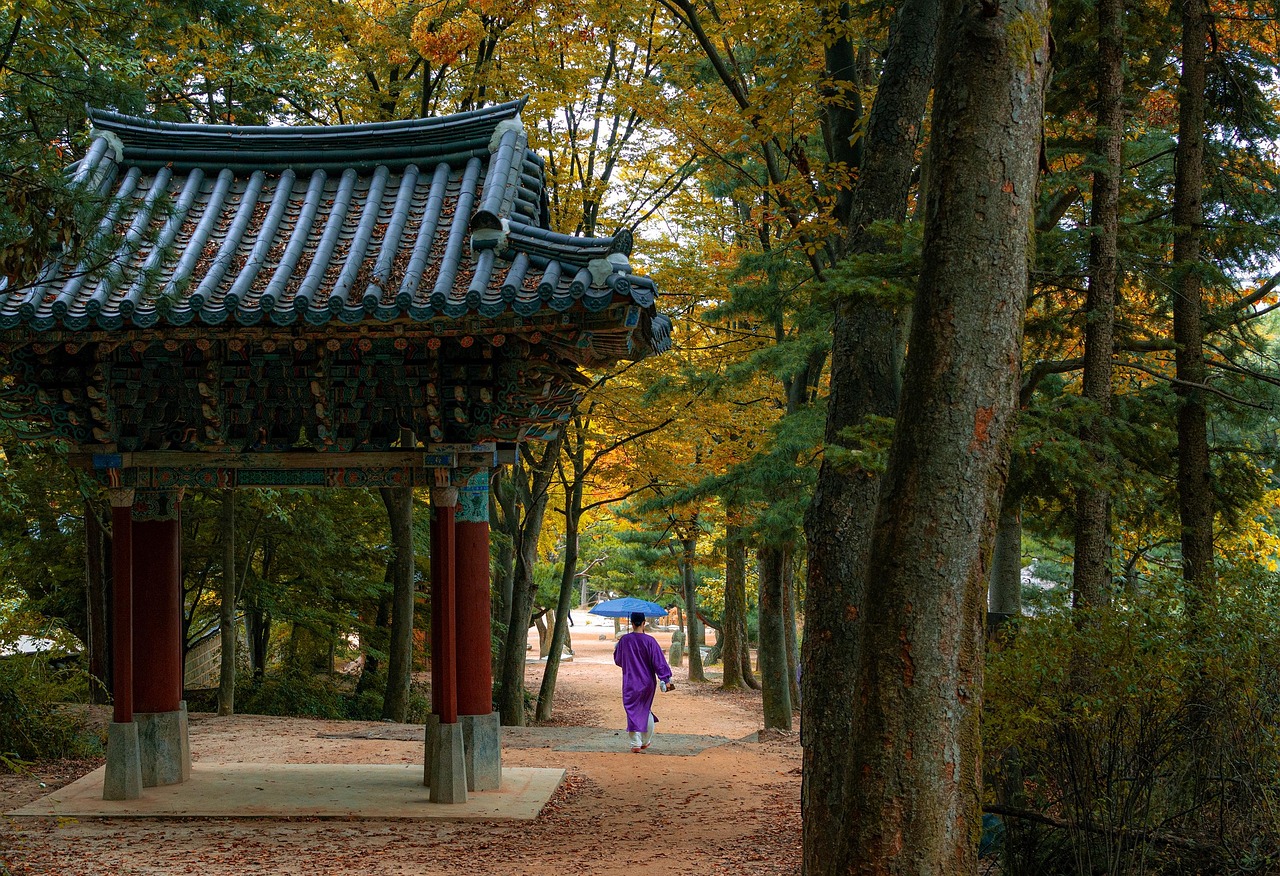
The global reach of Korean music, or K-pop, is a sign of the dynamic nature of Korean culture and history Korea's evolution in recent decades. This genre, characterized by its fusion of Western and traditional Korean elements, has transcended borders to captivate audiences worldwide. The rise of K-pop can be traced back to the late 20th century when Korean artists began experimenting with new sounds, blending hip-hop, pop, rock, and electronic music with distinct Korean influences. This innovative approach, coupled with meticulous choreography and visually stunning music videos, quickly gained a dedicated fan base both domestically and internationally.
K-pop's global appeal is not merely a phenomenon of the modern era. It builds upon a rich musical heritage that includes traditional instruments like the gayageum (a stringed zither), the buk (a drum), and the janggu (a double-headed drum). These instruments, often featured in folk music and ceremonies like the Korean tea ceremonies near me, have been integral to Korean cultural expression. However, K-pop represents a new phase in Korean music's journey, leveraging modern technology and global marketing strategies to reach a diverse international audience. This shift has led to record-breaking sales and sold-out concerts worldwide, with K-pop groups dominating music charts and social media trends.
The influence of K-pop extends far beyond the music itself. It has sparked a wave of interest in Korean culture, language, and history. Tourists are now flocking to Seoul and other major cities, eager to explore beyond the iconic landmarks and immerse themselves in the local street food culture. Experienced Korean street food guides are in high demand, offering visitors a chance to taste the authentic flavors that have made Korean cuisine renowned worldwide. K-pop has inspired a new generation of Korean artists and musicians to blend traditional and modern elements, creating a unique and dynamic cultural landscape that continues to captivate and inspire.
Cultural Fusion: Modern Korean Music Scene
The modern Korean music scene is a fascinating blend of traditional roots and contemporary innovation, reflecting the country's rich korean culture and history korea. This fusion has been driven by a dynamic cultural exchange, with artists incorporating elements from various genres while preserving the essence of classic Korean sounds. One prominent example is the rise of K-pop, which has taken the global music industry by storm, showcasing a unique combination of catchy melodies, intricate choreography, and sophisticated production values. The success of groups like BTS and BLACKPINK has not only brought international attention to Korean music but has also sparked a wave of interest in learning Korean culture and language, both near me and around the world.
This cultural fusion is evident in the diverse range of instruments and styles that have evolved alongside modern music production techniques. Traditional Korean instruments like the gayageum (a 12-string zither), daegeum (a vertical flute), and janggu (a double-headed drum) are often incorporated into contemporary compositions, adding a distinct and captivating flavor. Many reliable Korean travel agencies offer cultural experiences that include music workshops and performances, allowing visitors to immerse themselves in these rich traditions. Same-day Seoul historical site visits can be combined with local music events, providing a unique perspective on the city's dynamic cultural landscape.
The modern Korean music scene is characterized by a strong connection to social and political issues, reflecting the country's history and values. Many artists use their platforms to address topics such as mental health, LGBTQ+ rights, and social justice, creating an inclusive and meaningful dialogue. This commitment to social responsibility has further contributed to the global appeal of Korean music and its role as a cultural ambassador for korean culture and history korea. As the industry continues to grow and evolve, it remains a powerful force in shaping global music trends and fostering cultural understanding.
Korea's Musical Heritage: Preservation and Impact
Korean music has a rich history deeply intertwined with the country's cultural identity and has evolved significantly over the centuries, from traditional instruments and performances to the global phenomenon of K-pop. Understanding this musical heritage offers a unique window into Korea's past and its enduring cultural values. Local Korean history experts highlight the importance of music in the country's rituals, storytelling, and social gatherings, with each region contributing its distinct melodies and rhythms.
The preservation of traditional Korean music has been a driving force in cultural conservation efforts, with many institutions dedicated to keeping these ancient arts alive. The Korea Cultural Center, for instance, promotes and preserves various forms of Korean music, dance, and theater, providing a platform for both local and international audiences to experience these best Korean cultural experiences. These efforts have not only helped to maintain the musical heritage but also influenced contemporary genres, such as K-pop, which blends traditional elements with modern sounds.
Walking tours of historical sites in cities like Seoul and Busan offer a practical way to immerse oneself in Korea's musical history. Tour guides often share stories and anecdotes about the origins of specific melodies and instruments, providing insights into the social and cultural contexts in which they were created. Exploring these sites not only offers a deeper understanding of Korean history but also allows visitors to appreciate the evolution of music as a reflection of the nation's values and beliefs. By experiencing traditional music performances and learning about the stories behind them, travelers can gain a genuine appreciation for the cultural richness and complexity of Korean culture and history Korea.
Frequently Asked Questions About The History of Korean Music: From Traditional Instruments to K-Pop Sensations
What are some key traditional Korean musical instruments?
Korea boasts a rich musical heritage with various traditional instruments, including the gayageum, a 12-string zither that's considered the nation's oldest musical instrument. The daegeum is a transverse flute, known for its expressive melodies, while the p'ansori is a drum that accompanies storytelling performances. These instruments have been passed down through generations, shaping the country's unique musical identity.
How has Korean music evolved from traditional to modern times?
Traditional Korean music, deeply rooted in ancient rituals and folklore, has evolved alongside the country's history. Over time, it absorbed influences from neighboring cultures, especially China and Japan. The 20th century saw a fusion of traditional and Western music, leading to the birth of modern Korean pop (K-pop). This evolution continues today, with K-pop becoming a global phenomenon, while traditional music remains an integral part of Korea's cultural fabric.
What is the role of music in Korean culture?
Music is an integral part of Korean culture, with a history spanning thousands of years. It has been used for rituals, storytelling, and entertainment, reflecting the nation's values and history. Today, K-pop represents a vibrant export, showcasing Korea's music and dance talent worldwide, while traditional music continues to thrive in cultural events and ceremonies.
Are there any notable Korean music festivals?
Absolutely! Korea hosts several music festivals celebrating its diverse musical landscape. The Seoul International Music Festival features performances from around the globe, blending classical and contemporary styles. The Busan International Film Festival includes musical numbers alongside films, while the Gwangju International Music Festival focuses on traditional Korean music and dance. These festivals attract music enthusiasts from both within Korea and abroad.
How has K-pop contributed to Korea's global image?
K-pop has significantly boosted Korea's global image, becoming a major cultural export. Its popularity, fueled by catchy melodies, intricate choreography, and elaborate production values, has drawn international attention. K-pop groups have become global ambassadors, promoting Korean culture and language, while also reflecting the country's vibrant and innovative spirit.
What are some notable K-pop groups or artists?
Korea's K-pop scene is vibrant with diverse artists. Some notable groups include BTS, known for their powerful lyrics and global fan base, and BLACKPINK, who've broken records with their dynamic performances. Solo artists like PSY and G-Dragon have also made significant strides in the international music scene, showcasing the depth and talent of Korean music.
As we've explored the rich mix of Korean music from its traditional roots to its modern global sensation, one thing becomes clear: the history of Korean music is a living sign to the country's cultural resilience and innovation. From the resonant tones of traditional instruments like the gayageum and daegeum to the rhythmic energy of pansori storytelling, Korea's musical heritage reflects its diverse history and social structures, from the noble courts of the Joseon Dynasty to the lively festivals of modern Korea.
The evolution of Korean music, from folk songs sung by farmers to the elaborate court music of the past, shows a constant adaptation to the times while preserving its core identity. This adaptability has been crucial in the global reach of K-pop today, which seamlessly blends Western and traditional elements. The modern Korean music scene exemplifies cultural fusion, with artists like BTS transcending borders and captivating audiences worldwide.
Preserving this musical heritage is not just about nostalgia; it's about understanding the soul of Korean culture and history Korea. Efforts to document and teach traditional music, such as through Hangeul and Korean Language Institutes, ensure that these sounds continue to be passed down. The impact of these efforts is evident in the vibrant cultural festivals across the country, where music is a central celebration of Korea's rich history and diverse present.
The story of Korean music is a journey of discovery, adaptation, and global impact. It serves as a powerful example of how a nation's artistic expression can both honor its past and shape its future, offering a unique window into the heart of Korean culture and history Korea.
Korean music is a mix woven with threads from various historical periods, reflecting the country's rich korean culture and history korea. From traditional instruments like the haegeum and daegeum to the global phenomenon of K-pop, music has been a vital expression of Korean identity. Understanding this history offers insights into social shifts, with folk music evolving into courtly ensembles and storytelling traditions. Today, K-pop's global appeal has sparked a cultural exchange, blending traditional and modern elements. Visitors can explore this musical heritage through walking tours, performances, and cultural experiences, gaining a deeper appreciation for Korea's complex and dynamic cultural landscape.