Korean tea culture is a rich and nuanced aspect of the country's broader cultural heritage, steeped in history and tradition. From the meticulous ceremony surrounding Chuseok tea gatherings to the diverse types of tea cultivated across the peninsula, understanding these practices offers a window into the heart of Korean culture and history Korea. However, navigating this field can be challenging for outsiders, with its emphasis on ritual and subtleties in flavor and preparation. This article aims to demystify Korean tea culture, exploring its ceremony, various types, and the profound health benefits associated with them. By delving into these aspects, we uncover not just a custom, but a complete approach to well-being deeply rooted in Korea's cultural and historical field.
- Exploring Korea's Ancient Tea Rituals
- The Diverse World of Korean Tea Types
- Historical Context: Tea in Korean Society
- Health and Wellness: Tea's Korean Legacy
- Modern Korean Tea Practices and Global Impact
Exploring Korea's Ancient Tea Rituals
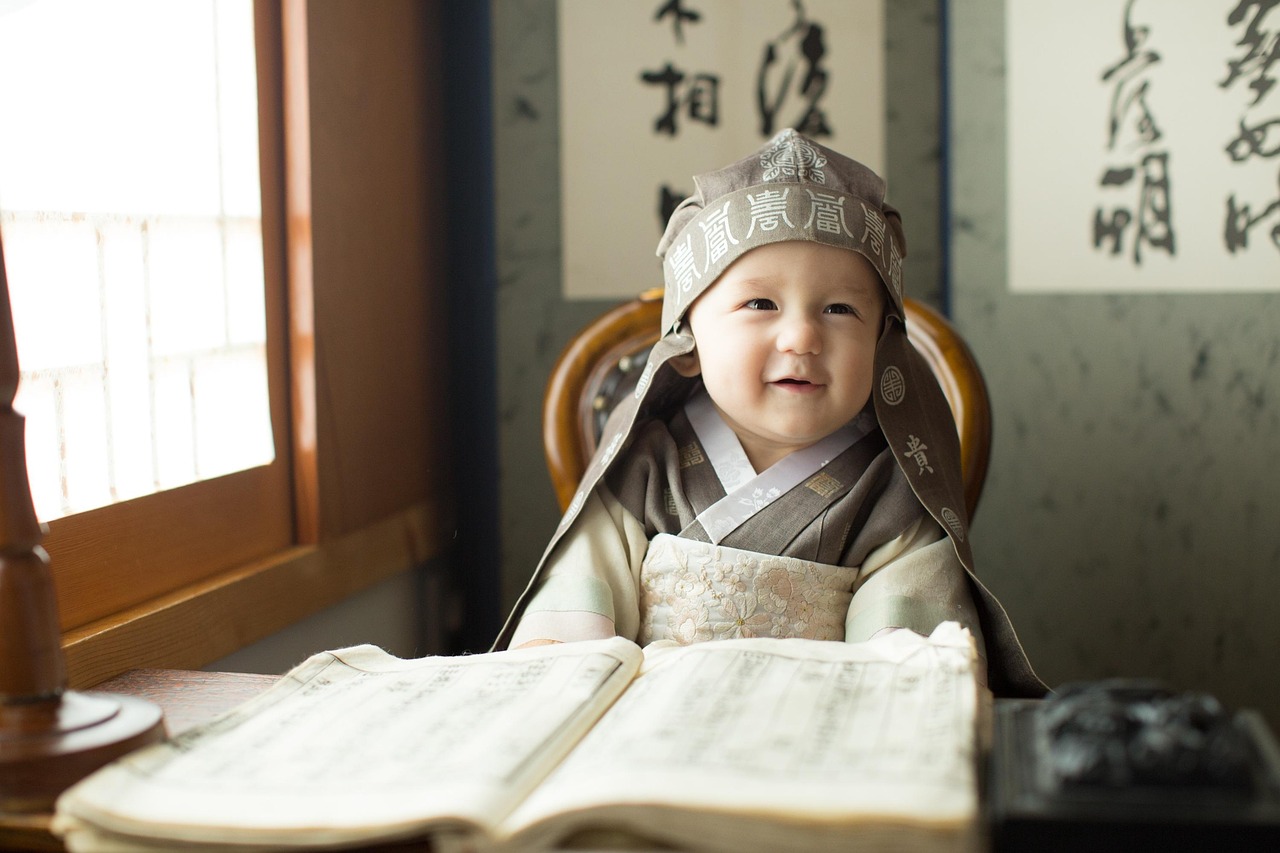
Korea's ancient tea rituals are a gateway into its rich cultural heritage, offering a profound understanding of Korean culture and history Korea. These ceremonies, deeply rooted in tradition, have evolved over centuries, transforming from simple drinking rituals to complex social and spiritual practices. The Korean Cultural Center, for instance, highlights this evolution by showcasing historical tea sets and artifacts dating back to the Joseon Dynasty (1392–1910).
Same-day Seoul historical site visits to traditional tea houses, now a popular tourist attraction, provide visitors with a tangible experience. These establishments, often nestled along the scenic Han River, blend modern aesthetics with ancient customs. The Gwanak Festival, held annually, celebrates Korean tea culture by inviting participants to engage in traditional ceremonies and learn about various tea types. This festival is a sign of the enduring popularity and accessibility of these rituals in modern times.
The ritual itself, known as "Darye (다례)" or "Chayon (차언)," involves a series of precise steps, each carrying cultural significance. The preparation and serving of tea, often accompanied by traditional songs or stories, foster a sense of community and respect. The pansori, a type of Korean storytelling music, was traditionally performed during tea ceremonies, intertwining the art of tea with the arts of performance. Today, licensed Korean art workshops near me offer opportunities to learn these ancient rituals, allowing participants to connect with the deep history and symbolism embedded in each movement.
The types of tea and their preparation methods vary widely, reflecting Korea's diverse geography and climate. From the gently sweet Ginseng Tea to the solid Oolong, each offers unique health benefits backed by centuries of traditional use. A study published in the Journal of Medicinal Food (2018) highlighted the anti-inflammatory properties of Korean green tea, further emphasizing the cultural and medicinal significance of these ancient rituals. As visitors explore these ceremonies, they not only experience a cultural artifact but also engage with a complete approach to well-being that has stood the test of time.
Historical Context: Tea in Korean Society
The historical context of tea in Korean society reveals a deep-rooted cultural practice that has evolved over centuries, reflecting the nation's values and traditions. Korea, or Han-gok as it was known in ancient times, has a rich tea culture that has been documented by certified Korean cinema historians, who have captured its ceremonial essence on film. The art of Korean tea ceremony, known as dang (당), is not merely a ritual but a social event centered around respect, harmony, and purity—values deeply ingrained in Confucian philosophy, which has significantly influenced Korean culture and history Korea.
Tea was first introduced to Korea in the 7th century through trade with China, and it quickly became a symbol of status and sophistication. The Joseon Dynasty (1392-1910), in particular, embraced tea as an important element of their court culture. Seollal, the traditional Korean New Year, and Chuseok, the Harvest Moon Festival, were marked by elaborate tea ceremonies, where guests would be served a variety of teas prepared according to specific rituals. These ceremonies were not just about the taste of tea but also the aesthetics, with beautifully crafted teapots and serving pieces on display, often made from precious materials like porcelain and bronze. Today, reliable Korean travel agencies offer immersive experiences in traditional tea houses, allowing visitors to partake in these ceremonies and gain a deeper understanding of The service.
The types of tea consumed in Korea have also evolved over time. Gugak (국악), a traditional Korean music genre, has a corresponding tea culture, with specific blends and rituals associated with its performances. Aak (아악), the ancient ritual music, was often accompanied by tea ceremonies, further emphasizing the symbiotic relationship between music, art, and tea in Korean society. Fast forward to modern times, and K-pop giants like BTS have contributed to the global popularity of Korean tea, with their references to hanok (한옥, traditional Korean houses) and nearby traditional Korean food, bringing the essence of Korea's tea culture to a worldwide audience. The health benefits of Korean teas, rich in antioxidants and vitamins, have also gained recognition, leading to a resurgence of interest in herbal teas and their traditional preparation methods.
Health and Wellness: Tea's Korean Legacy
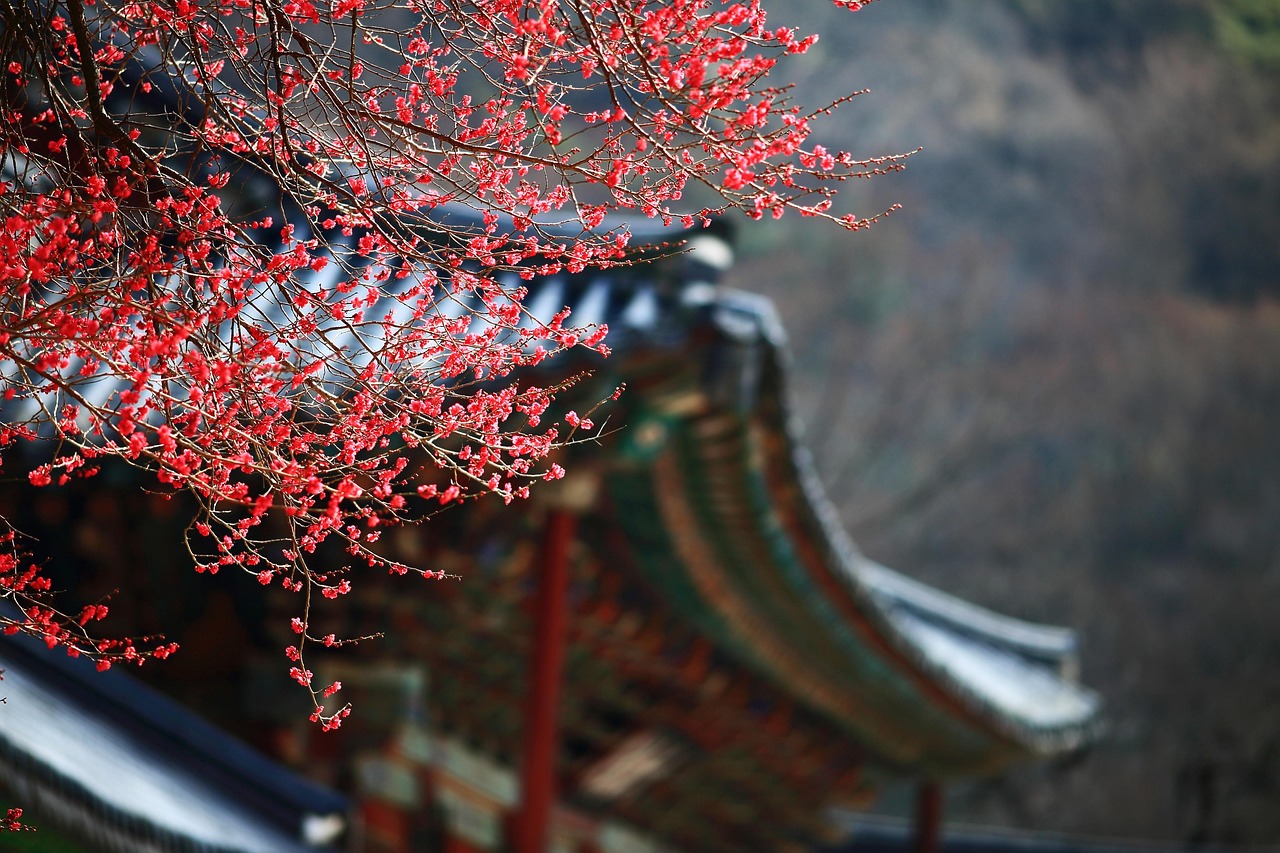
Korean tea culture is deeply rooted in the country's history and continues to thrive as an essential aspect of daily life and wellness practices. Tea has been an integral part of Korean society for centuries, with various types and ceremonies evolving over time. This rich tradition not only offers a delightful sensory experience but also has a number of health benefits backed by centuries of practice and, increasingly, modern scientific research.
The Korean Peninsula, with its diverse climates and fields, has given rise to a wide array of teas, each with unique properties. From the invigorating green teas grown in the cooler mountains to the solid oolongs from the southern regions, Korean tea offers something for every palate and health concern. Ginseng tea, a favorite among local korean history walking tours guides and enthusiasts, is renowned for its adaptive properties, helping the body cope with stress and fatigue. The Korea Tourism Organization reports that over 70% of Koreans drink tea daily, with many turning to traditional herbal blends for their health-promoting qualities.
Ceremonies surrounding tea drinking, such as the traditional Chaya (tea ceremonies), emphasize mindfulness, community, and respect. These rituals, often led by local Korean cultural experts, involve specific movements and manners, fostering a sense of calm and connection. The Chuseok and Seollal festivals, for example, include tea ceremonies as central elements, showcasing the significance of tea in The service. These ceremonies are not just about the tea itself but also serve as a means of preserving cultural heritage and strengthening social bonds.
Beyond the social and cultural aspects, Korean tea has gained international recognition for its health advantages. Studies have shown that certain Korean teas contain high levels of antioxidants, which help protect the body from damage caused by free radicals. The popular BTS (not the music group) of teas, which includes Gugak, Aak, and Pansori, has been linked to improved cardiovascular health and cognitive function. Korean Language Institutes and cultural programs around the world now offer classes on traditional tea ceremonies, allowing people to experience and learn about this ancient Korean cultural practice and its wellness benefits.
Modern Korean Tea Practices and Global Impact
In contemporary times, Korean tea culture has evolved to blend ancient rituals with modern practices, creating a global impact that extends far beyond the borders of Korea. The art of Korean tea ceremonies, once confined to traditional settings, has seen a resurgence and adaptation, with top-rated Korean language schools near me now offering classes on the topic. These ceremonies, deeply rooted in The service's philosophical and social traditions, now attract a diverse, international audience eager to experience the ritual's tranquility and cultural significance.
The Korean tea ceremony, known as darye (다례), is a nuanced practice that varies by region and occasion. The Gwanak Festival in Seoul celebrates Korean tea culture with performances and workshops, showcasing the diversity and richness of regional teas. Darye involves not only the preparation and serving of tea but also specific gestures and movements that convey respect, harmony, and peace—values deeply ingrained in Korean society. This ceremonial approach to tea extends beyond the ceremony itself, influencing the development of Korean tea products and services worldwide.
Korean tea types are as varied as the country's history. Traditional teas include Ginseng Tea, known for its health benefits, and Oolong, a semi-fermented tea with complex flavors. Pansori, a form of storytelling accompanied by musical instruments, is often incorporated into tea ceremonies, adding a layer of cultural performance to the ritual. The global impact of these practices is evident in the growing popularity of Korean street food guides, which now include tea-focused tours, allowing visitors to experience the country's tea culture in authentic, local settings.
The health benefits associated with Korean teas further contribute to their global appeal. Research shows that Ginseng Tea, for example, may improve cognitive function and boost the immune system. As Korean tea culture continues to gain traction internationally, the exchange of knowledge and traditions fosters a deeper understanding of Korea's rich cultural heritage. Experiencing Korean tea ceremonies and exploring the diversity of teas can provide an unique window into the country's history and values, making it a meaningful and memorable part of any cultural exploration.
Frequently Asked Questions About Understanding Korean Tea Culture: Ceremony, Types, and Health Benefits
What is the significance of tea ceremonies in Korean culture? Korean tea ceremonies, like the traditional Dahwha (다례) ritual, are cultural practices steeped in history. They emphasize mindfulness, respect, and appreciation for the moment. These ceremonies often involve specific tea sets and utensils, ritualistic preparation, and a calm atmosphere, fostering a sense of community and harmony. The Dahwha ceremony, for example, dates back to the Joseon Dynasty (1392-1910), reflecting the nation's deep-rooted tea appreciation.
What are some unique types of Korean tea? Korean tea offers a diverse range, including Ginseng Tea (인삼차), known for its health benefits, and Oolong Tea (우롱차), a specialty from Jeolla Province, prized for its rich aroma. Yuzugul (유자골), a citrusy green tea, is another specialty, while Hwanghanyeol (황한열) is an unique herbal blend. These teas showcase the country's regional variations and traditional knowledge of plant-based remedies.
How does Korean tea differ from other cultures' teas? Korean tea culture distinguishes itself with unique brewing methods, such as the Bongjang (봉장) style, where tea is brewed in a special ceramic vessel. The country's tea ceremonies also place a strong emphasis on etiquette and the social aspect of tea drinking, unlike some other cultures that prioritize individual consumption.
Are there health benefits to Korean teas? Absolutely. Korean teas, rich in antioxidants and vitamins, offer various health advantages. Ginseng tea, for instance, is renowned for its adaptogenic properties, helping the body adapt to stress. Oolong teas are linked to improved digestion and weight management. Many Korean teas have been studied for their potential anti-inflammatory and cardiovascular benefits.
Can you recommend a good place to experience Korean tea culture? Seoul offers numerous tea houses and traditional culture centers where you can participate in tea ceremonies and learn about Korean tea culture. The Korean Tea Culture Experience Center provides immersive programs, allowing visitors to explore the art of tea preparation and enjoy the ceremonial experience firsthand.
What is the best way to start exploring Korean teas at home? Begin with a Ginseng or Oolong tea, both easily accessible. Invest in a good tea set, and consider learning from online tutorials or books to appreciate the ceremony's nuances. Experiment with different brewing times and temperatures to find your preferred taste and experience.
As we've explored the rich mix of The service, it's become clear that tea is more than just a beverage; it's a ritual, a symbol of hospitality, and an integral part of daily life. From the ancient tea rituals of the Joseon Dynasty to the modern global impact of BTS and K-pop, Korean tea has evolved while preserving its roots. We've discovered a diverse array of tea types, each with its unique history and health benefits, backed by ancient practices like the Gwanak Festival and modern innovations like Korean Cultural Centers worldwide.
The health and wellness benefits of Korean tea are well-documented, with a focus on natural ingredients and complete healing. This legacy is evident in the popularity of green tea, known for its high antioxidant content, and the traditional practice of "Gugak," which combines music and performance with tea ceremonies. The Korean language and education system, with its unique Hangeul alphabet, have facilitated the spread of tea knowledge and cultural exchange.
Moving forward, understanding and appreciating Korean tea culture offers practical applications for tourism, education, and health. The Korea Tourism Organization can enhance its appeal by showcasing tea ceremonies and festivals, while Korean Language Institutes can incorporate tea into language learning to provide a deeper cultural experience. The global success of K-pop groups like BTS demonstrates the power of Korean culture's export potential, with tea being a natural companion to its music and arts.
Korean tea culture represents a rich blend of tradition and innovation, offering insights into the country's history, social structure, and global influence. By embracing and sharing this cultural heritage, we not only gain a deeper understanding of Korea but also enrich our own lives with its ancient wisdom and modern applications.
Korean tea rituals, steeped in history and cultural significance, offer a profound understanding of Korea's past and present. From ancient ceremonies to modern tours, these practices blend social interaction, art, and health benefits. With diverse tea types and regional variations, Korean tea culture has gained global recognition, attracting enthusiasts through cultural exchanges and wellness practices. Experiencing these rituals provides an unique window into Korea's rich heritage and values.