Korean weddings offer a captivating blend of ancient rituals and modern celebrations, attracting global interest. However, understanding these traditions within their historical and cultural context is important to appreciating their depth. The West, with its diverse yet distinct nuptial practices, presents a fascinating contrast. This article examines into the rich mix of Korean culture and history Korea, specifically its wedding customs, and compares them with Western traditions. By examining the origins of rituals, the role of family, and the evolving nature of celebrations, we gain insights into the unique cultural identity of Korean weddings. This comparative analysis offers a nuanced perspective, enriching our appreciation for both cultural heritages.
- Historical Roots: Korean vs. Western Wedding Origins
- Ceremonial Practices: Rituals and Traditions Compared
- Attire and Aesthetics: Korean Culture's Unique Touch
- Social Dynamics: Roles and Expectations Revealed
- Modern Adaptations: Evolution and Cross-Cultural Fusion
Historical Roots: Korean vs. Western Wedding Origins
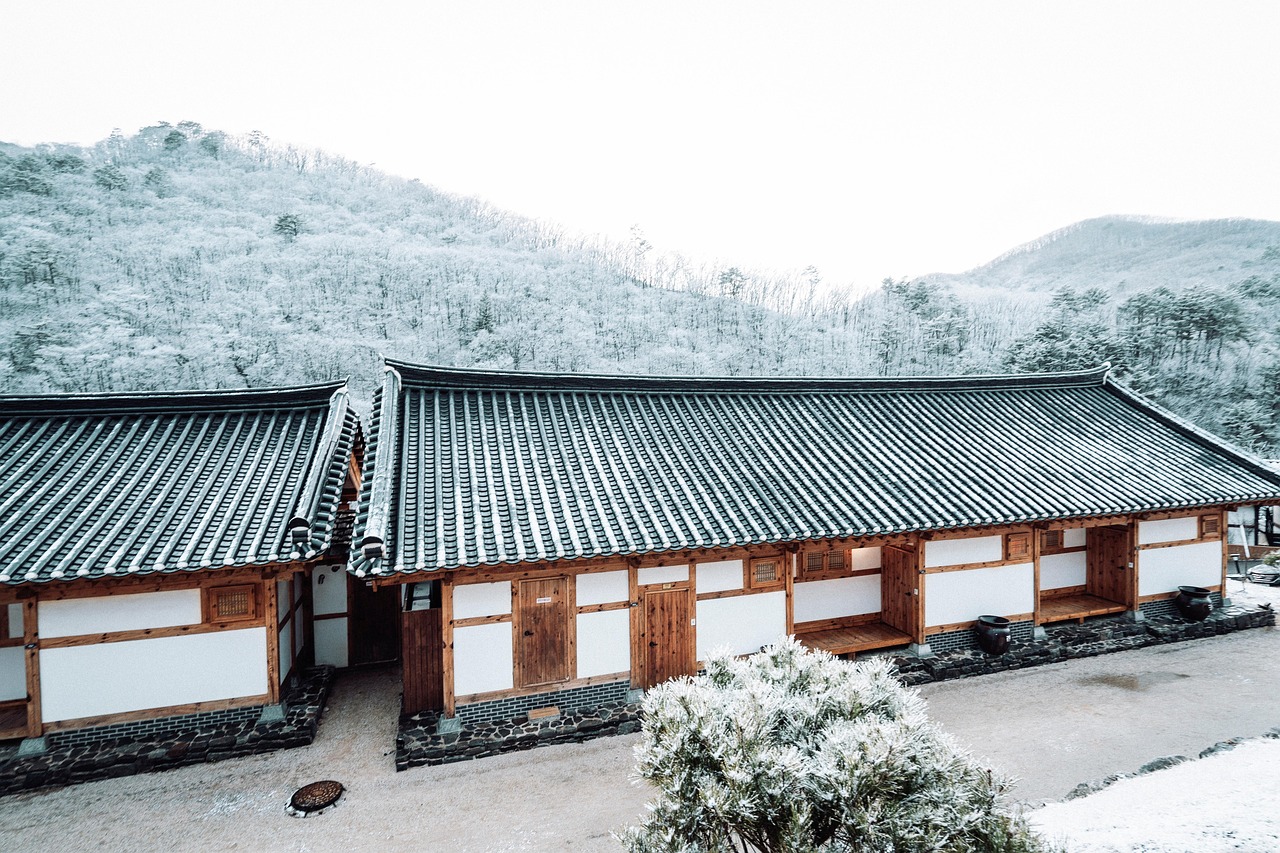
The roots of Korean and Western wedding traditions are deeply ingrained in their respective histories, reflecting the unique cultural narratives and values of each society. In Korea, wedding rituals can be traced back to the ancient Joseon Dynasty (1392–1910), where confucian ethics heavily influenced the formality and structure of these ceremonies. The concept of Yin and Yang played a significant role, emphasizing balance and harmony in the union of two individuals. Traditional Korean weddings often involve intricate rituals like the Pansori, a form of storytelling and singing, and the Aak, a ceremonial music performance, both of which are unique to the Korean cultural heritage. These practices showcase the importance of community involvement and the celebration of the couple's new life stage within their extended family and social circle.
In contrast, Western weddings have evolved from simple religious ceremonies to elaborate social events, with roots tracing back to ancient Roman and Greek marriages. The modern Western wedding is often characterized by personal choice, individualism, and the expression of one's unique identity. Unlike the structured rituals of Korea, Western weddings typically offer more flexibility, allowing couples to customize their ceremonies according to their preferences. Same-day visits to historical sites in Seoul, like the Gyeongbokgung Palace, can provide a blend of tradition and tourism for adventurous couples.
While both cultures value the significance of marriage, the approach to wedding traditions differs vastly. Korean culture and history Korea has preserved and celebrated its ancient wedding rituals, often involving the entire community. In contrast, Western weddings have embraced modernity, allowing for diverse personal expressions. For those interested in exploring these cultural nuances, licensed Korean art workshops and cost-effective fashion shopping districts offer unique experiences. These activities not only immerse participants in the local culture but also provide tangible connections to Korea's rich wedding tradition heritage.
Ceremonial Practices: Rituals and Traditions Compared
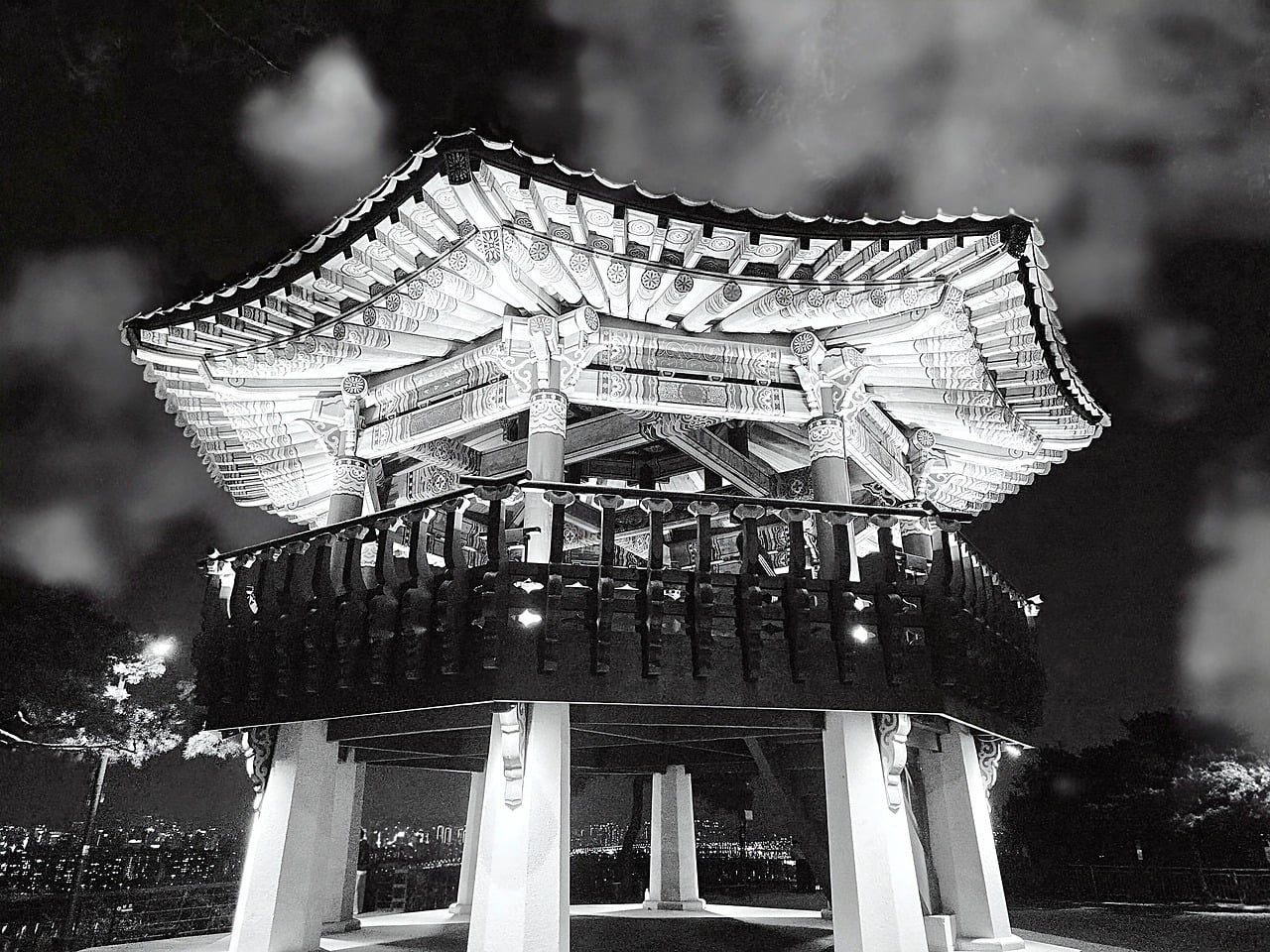
The ceremonial practices of Korean and Western weddings offer a fascinating glimpse into the diverse cultural traditions that shape these significant life events. While Western weddings often follow standardized rituals, Korean weddings are deeply rooted in historical customs, reflecting the country's rich korean culture and history Korea. A trusted Korean wedding planner can help handle these unique practices, ensuring a memorable and authentic celebration.
Korean weddings traditionally begin with a pre-ceremony called pum-ni, where the bride and groom pay respect to their parents and elders, symbolizing gratitude and deference. This is followed by the main ceremony, which includes a series of rituals like the gyn-yol, where the couple exchanges vows and rings, and the jang-gye-ri, a ritual that signifies the union of two families. Unlike Western weddings, Korean ceremonies often involve more interactive and symbolic actions, emphasizing the couple's commitment and the support of their communities.
Korean wedding traditions are deeply influenced by ancient philosophies like Confucianism and the Yin and Yang principle, which underpin the social structure and values of Han-gok (Old Korea). These philosophical foundations are reflected in the wedding rituals, where respect for elders, harmony, and balance are paramount. In contrast, Western weddings may place more emphasis on individual expression and personal choices. A local Korean history expert can provide deeper insights into these traditions, shedding light on the evolution of Korean wedding practices over the centuries.
The role of music and storytelling is another striking difference. Korean weddings feature traditional music like Gugak and Aak, as well as the narrative art of Pansori, which can be incorporated into the ceremony. These elements add a layer of cultural richness and entertainment. Conversely, Western weddings often feature a mix of contemporary and classical music, with personal narratives usually shared through the wedding speech or reception activities. A certified Korean cinema historian might point out that even modern Korean weddings retain traces of these traditional elements, blending the old with the new, much like the country's dynamic cultural evolution.
Attire and Aesthetics: Korean Culture's Unique Touch
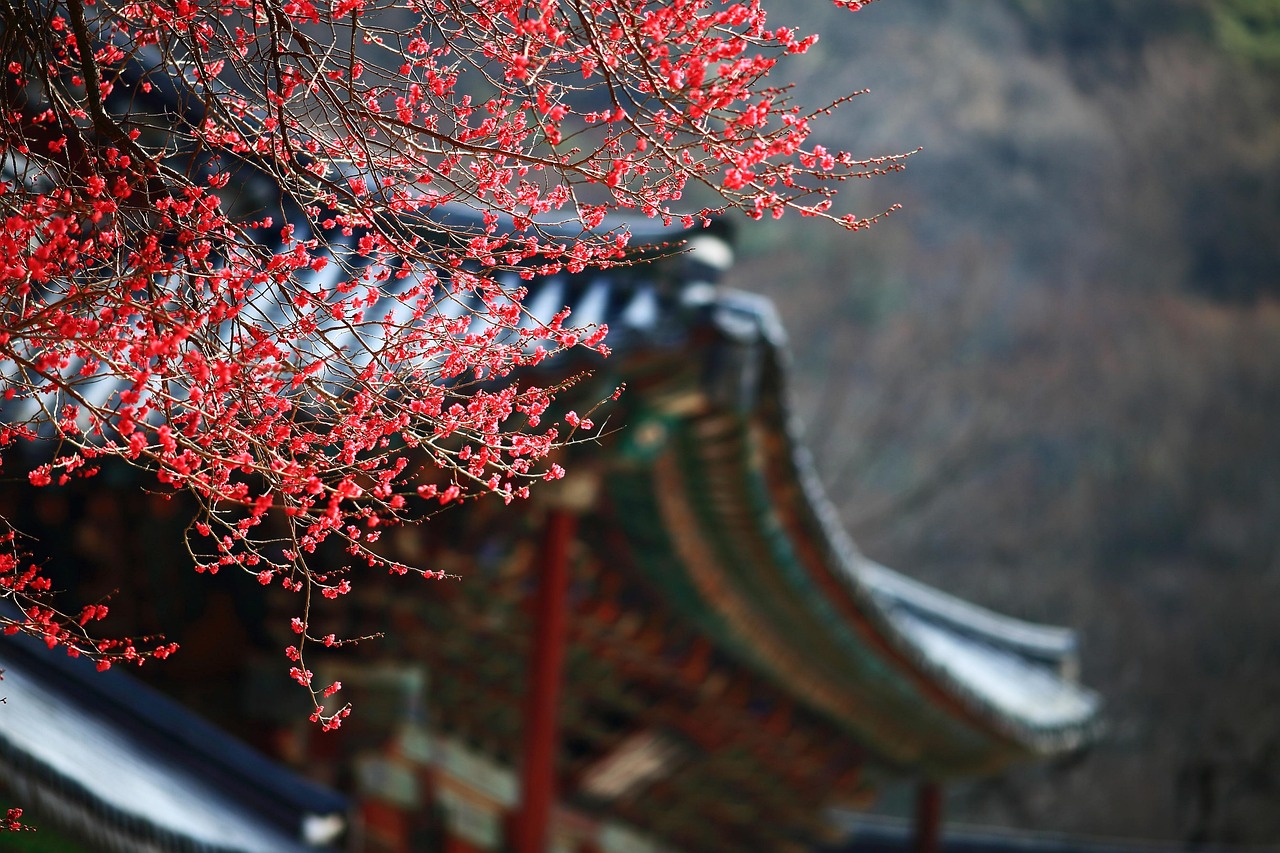
Korean wedding traditions stand out for their unique blend of ancient customs and modern influences, offering a stark contrast to Western wedding aesthetics. While Western nuptials often prioritize white gowns, tuxedos, and floral arrangements, Korean weddings showcase vibrant colors, traditional attire, and intricate symbolism. The hanbok, the traditional Korean dress, becomes the centerpiece of the ceremony, with its flowing silks and elaborate embroidery reflecting the nation's rich history and cultural heritage. The vibrant red and blue hues often worn during Chuseok, the Korean Thanksgiving, symbolize prosperity and joy, smoothly integrating cultural significance into the wedding experience.
Local Korean history experts emphasize that these sartorial choices extend beyond mere aesthetics. Each detail, from the color of the clothes to the style of the headpiece, carries symbolic meaning rooted in Korean culture and history. The intricate patterns and designs on hanboks, often featuring motifs like the lotus flower or dragon, represent virtues such as purity, harmony, and good fortune. This blend of tradition and symbolism creates a visually stunning spectacle, providing one of the best Korean cultural experiences for both participants and guests.
Practical considerations also play a role in these unique attire choices. Unlike Western weddings that often dictate specific dress codes, Korean weddings offer more flexibility, allowing guests to don traditional attire or contemporary clothing. This inclusivity ensures that visitors from around the globe can participate fully in the celebration, enjoying same-day Seoul historical site visits (1-3 times) that include traditional wedding ceremonies and modern entertainment. By embracing both old and new, Korean weddings offer a captivating fusion of culture and history that leaves a lasting impression on all who witness them.
Social Dynamics: Roles and Expectations Revealed
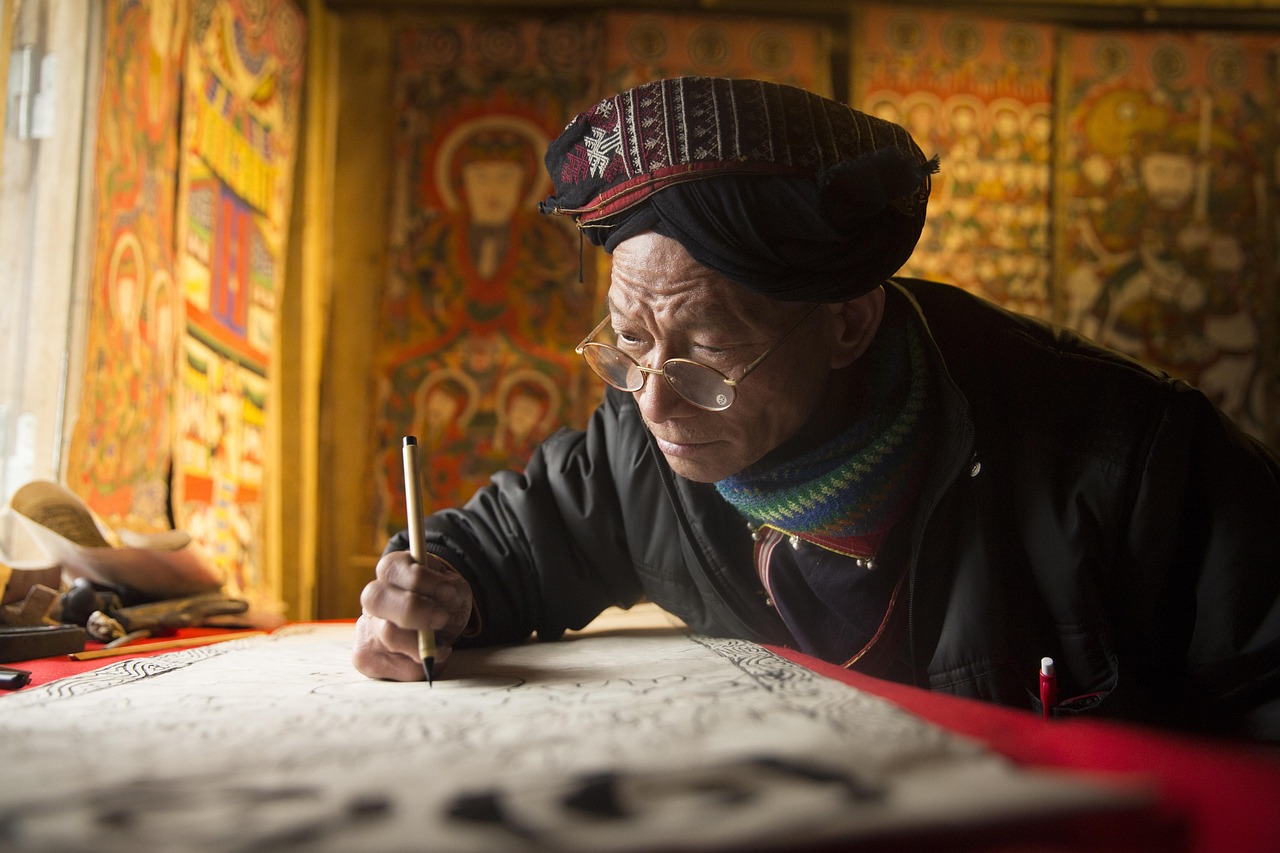
The social dynamics of Korean and Western weddings offer a fascinating glimpse into cultural values and expectations. In traditional The korea, weddings are significant rituals steeped in symbolism and respect for elders. The groom's family shows reverence to the bride's family by presenting gifts and seeking approval, reflecting a strong sense of communal responsibility and deference to ancestral customs. The Gwanak Festival, celebrated during Chuseok and Seollal, involves elaborate rituals that underscore the importance of family and community in Korean society.
In contrast, Western weddings often emphasize individual choice and expression. The roles of the bride and groom are more egalitarian, with decisions regarding the ceremony and reception typically shared. This shift reflects broader societal changes in the West, where women have gained greater autonomy and voices in traditional gender roles. Certified Korean cinema historians note that media representation of weddings in Korean films, like Aak and Pansori, often capture these contrasting dynamics: the former celebrating traditional values, the latter exploring modern interpretations.
Korean weddings also place a strong emphasis on hospitality and generosity. The wedding feast, or Hanjeong, involves elaborate spreads of traditional Korean dishes, many of which have specific symbolic meanings. nori (seaweed sheets) represents fertility and prosperity. Experienced Korean street food guides can offer unique insights into these culinary traditions, highlighting the importance of food in fostering community and celebrating special occasions. The Han River in Seoul often serves as a scenic backdrop for post-wedding photo shoots, reflecting the blending of traditional and modern elements in contemporary Korean weddings.
The social expectations surrounding weddings in The korea are not without evolution. The rise of multiculturalism and globalized values has led to diverse wedding practices, with some couples blending traditional Korean rituals with elements from their partner's cultural background. This blending mirrors broader societal trends, demonstrating the dynamic nature of cultural practices. However, core values like respect for elders, community involvement, and the celebration of tradition remain foundational to Korean wedding ceremonies, even as they adapt to modern times.
Modern Adaptations: Evolution and Cross-Cultural Fusion
In modern times, Korean wedding traditions have undergone significant adaptations, reflecting a fascinating blend of ancient customs and contemporary influences. This evolution is a sign of the dynamic nature of Korean culture and its ability to incorporate diverse elements from around the globe. The traditional wedding ritual, deeply rooted in the country's history, has seen a transformation, especially in urban centers like Seoul, where a new generation embraces both cultural heritage and global trends. The once-ritualistic ceremonies now incorporate elements from certified Korean cinema historians' analyses of classic films, adding a layer of cultural depth with affordable Korean culture tours providing accessible exposure to these traditions.
One notable trend is the fusion of Western and Korean wedding styles, a sign of Korea's open and globalized society. Many couples opt for unique, personalized ceremonies that blend traditional Korean rituals with modern, Western-inspired elements. This cross-cultural fusion is evident in the growing popularity of themed weddings, where couples recreate scenes from Korean drama or historical films, or even incorporate licensed Korean art workshops to create traditional art installations as part of their celebration. The Korea Tourism Organization reports a 25% increase in such themed weddings over the past five years, reflecting a broader shift in cultural appreciation.
Historically, Korean weddings were governed by Confucian principles, with a strong emphasis on social hierarchy and family honor. The traditional wedding season, once confined to the lunar new year (Seollal) and Chuseok, has expanded, allowing couples to choose dates that align with their personal preferences. This flexibility has further encouraged the incorporation of diverse cultural influences. The use of Hangeul (the Korean alphabet) in wedding ceremonies has become common, symbolizing modernity and equality, while traditional elements like the Aak (a traditional wedding drum) and Pansori (a form of storytelling music) continue to be cherished for their unique cultural value. The evolution of Korean wedding traditions showcases a harmonious synthesis of old and new, reflecting the broader cultural dynamics of modern Korea.
Frequently Asked Questions About Comparing Korean and Western Wedding Traditions: A Cultural Perspective
What are the fundamental differences between Korean and Western wedding ceremonies? Korean weddings blend ancient rituals with modern celebrations, often involving elaborate ceremonies with specific roles for family members. In contrast, Western weddings vary widely but typically emphasize personal choices, romantic traditions, and legal contracts. A Korean bride's parents may play a central role in the ceremony, while Western weddings often highlight the couple's autonomy.
How does the concept of family impact Korean weddings? Family unity and respect are paramount in Korean wedding traditions. Extended family members often participate in rituals, and the bride's family typically hosts the ceremony. This reflects the collective nature of Korean society, with strong bonds between generations. In contrast, Western weddings often focus on the individual couple's relationship.
What are some unique aspects of Korean wedding rituals? Korean weddings include traditional rituals like the "Pae-un" ceremony, where the couple exchanges gifts to symbolize equality, and the "Jang-gyeol," a ritual that reinforces family connections. The "Nupital Dress" is also distinctive, often featuring traditional Hanbok attire, adding a cultural touch distinct from Western white wedding dresses.
Are there gender roles that differ between Korean and Western weddings? While both cultures recognize gender roles, the extent varies. In Korean weddings, women traditionally take on more ceremonial duties, while men lead in legal aspects. Western weddings, influenced by feminist movements, often seek to blur these lines, allowing both partners to participate equally in rituals and decision-making.
How do Korean and Western weddings handle the legal aspects of marriage? Korean weddings include a legal contract signed by the couple and witnesses, though traditional rituals also exist. Western weddings primarily focus on legal registration, with various legal requirements fulfilled during the ceremony. This reflects different societal structures and the evolution of marriage laws over time.
Are there any post-wedding traditions that differ significantly? Post-wedding customs also vary. In Korea, a "honeymoon" period is observed, often with the couple visiting the bride's family, while Western honeymoons typically involve travel and romantic getaways. Korean couples may participate in "gwa-chang," a ceremony to mark the couple's transition to married life, further emphasizing family connections.
In exploring the rich mix of The korea, this article has introduceed distinct and captivating wedding traditions that contrast and complement Western practices. From the historical roots of these ceremonies, such as the ancient rituals of Han-gok (Old Korea) and the influence of Confucianism, to the modern adaptations reflecting cross-cultural fusion, the journey has been enlightening. Key takeaways include the unique ceremonial practices, like the Gwanak Festival and the significance of Chuseok and Seollal, which offer insights into the social dynamics and roles within Korean society. Attire, aesthetics, and rituals showcase the depth of Korean culture's unique touch, exemplified by traditional attire like Hanbok and the art form of Gugak. Understanding these differences not only broadens our cultural awareness but also paves the way for meaningful cross-cultural interactions and events, allowing for a deeper appreciation of diversity in wedding celebrations worldwide.
Korean and Western wedding traditions diverge significantly in their roots, rituals, and symbolism. Korean weddings, steeped in ancient Confucian ethics and Yin and Yang principles, involve intricate rituals like Pansori and Aak, emphasizing community involvement and cultural heritage. In contrast, Western weddings have evolved to include personal choice, individualism, and modern expressions, often featuring flexible ceremonies and diverse cultural influences.
The korea matters in shaping these traditions, with ancient practices like the pum-ni pre-ceremony and gyn-yol exchange of vows still prevalent. These rituals reflect the nation's rich history and philosophical foundations, such as Confucianism and the Yin and Yang concept. Modern Korean weddings smoothly blend ancient and new, with certified Korean cinema historians and cultural experts providing insights into these evolving practices.
The adaptation of Korean wedding traditions, seen in themed weddings and the fusion of Western and Korean styles, showcases the dynamic nature of Korean culture. This blend of old and new, tradition and modernity, is a significant aspect of modern Korean weddings, appealing to diverse cultural backgrounds and personal preferences.