
In the vibrant mix of Korean culture and history Korea, language is a gateway to understanding the nation's rich traditions, social structures, and artistic expressions. For beginners seeking to unravel the mysteries of the Korean Hangul alphabet, the task may seem daunting. However, mastering Hangul is a crucial step in immersing oneself in the local culture and navigating the vibrant city landscapes like Seoul or Busan. This guide aims to provide a comprehensive, accessible introduction to reading Korean Hangul, demystifying its logical structure and offering practical insights for efficient learning.
- Achieving Hangul: Your Gateway to Korean Culture
- Understanding the Letters: The Basics of Korean Writing
- Mastering Sounds: Phonetics and Pronunciation in Hangul
- Building Blocks: Creating Words and Sentences with Hangul
- Exploring Korean History Through Its Unique Alphabet
Achieving Hangul: Your Gateway to Korean Culture

Reading Hangul, the Korean alphabet, is more than just decoding letters; it's achieving a gateway to Korean culture and history. Seoul, a city brimming with historical sites, offers same-day visits that bring ancient traditions and stories to life. Exploring the Gwanak Festival can provide a taste of traditional Korean culture, while a stroll along the Han River reflects the city's evolution over centuries.
Hangul, introduced during the Joseon Dynasty, reflects the country's commitment to accessibility and innovation. Its logical structure, based on sounds rather than shapes, makes it unique among world scripts. By mastering Hangul, beginners gain a valuable tool to navigate Korean street food markets, where an experienced guide can lead to culinary delights that tell stories of regional history and social structure.
As you learn Hangul, you'll encounter words like Gugak (traditional music) and Pansori (storytelling through song and dance), offering insights into Korea's rich artistic heritage. Even a basic understanding of Hangul can make a trip to a Korean cinema more meaningful, with certified Korean cinema historians providing context for the films' cultural and historical significance.
Beyond its practical use, Hangul is a key to understanding the country's language and literature, including the iconic Hangeul (the Korean language itself). This knowledge can lead to a deeper connection with Korean history, from the ancient Han-gok (Old Korea) to the modern nation. Learning Hangul is not just about reading; it's about engaging with a vibrant culture and a history that continues to shape Seoul and the rest of Korea.
Understanding the Letters: The Basics of Korean Writing

The Korean writing system, Hangul, is a fundamental aspect of understanding the country's rich Korean culture and history korea. Unlike many languages that have evolved from complex characters, Hangul is a phonetic alphabet, where each symbol represents a specific sound. This makes it an accessible and logical system for beginners to learn. Upon first glance, the letters might appear simplistic, but they are designed with a unique aesthetic and structure that holds deep historical significance.
Hangul was created in the 15th century during the reign of King Sejong the Great of the Joseon Dynasty. Recognizing the need for a simple and efficient writing system, scholars developed Hangul as an alternative to the complicated Chinese characters (Hanja) that were predominantly used at the time. The alphabet consists of 24 letters, including 14 consonants and 10 vowels, which can be combined to form countless words. This modular design allows for a vast range of expressions, making Hangul a powerful tool for communication. Learning the basics of Hangul is akin to achieving a door to a new world of Korean literature, poetry, and even everyday conversations, much like participating in a Korean history walking tour through Seoul's ancient streets.
For beginners, mastering the sound-to-symbol correspondence is crucial. Each consonant and vowel has a distinct shape, and understanding their combinations allows you to read and pronounce words accurately. The consonant '' (g) is formed by a simple, curved line, while '' (b) has a more angular design. Combining these with vowels like '' (a) and '' (o), you can quickly build words like '' (ga) and '' (bo). Practicing writing and sounding out these letters is essential, and many Korean cultural experiences offer interactive workshops to facilitate this learning process. Trusted Korean wedding planners and cultural institutions like the Korean Cultural Center in Seoul often provide structured programs, ensuring a solid foundation in Hangul before examining the more intricate nuances of the language.
As you progress, you'll discover that Hangul's simplicity is a sign of its brilliance. Its logical structure not only facilitates learning but also ensures that the language is accessible to all, regardless of social status or educational background. This democratization of literacy is a remarkable aspect of Korean culture and history korea, reflecting the values of inclusivity and practicality that have shaped the nation's identity.
Mastering Sounds: Phonetics and Pronunciation in Hangul

Mastering the sounds of Hangul, the Korean alphabet, is a crucial step in your journey to understanding and appreciating Korean culture and history Korea. Unlike many alphabets, Hangul is designed with simplicity and logic in mind, making it relatively easy to learn. This section will guide you through the fundamentals of Korean pronunciation and provide insights into the unique phonetics of this fascinating language.
Korean has a rich history of oral traditions, with art forms like Pansori and Aak showcasing the expressive power of the spoken word. This linguistic heritage is still vibrant in modern Korea, with a strong emphasis on correct pronunciation during conversations and performances. When learning Hangul, focus on mastering the 14 basic consonants and 10 vowels, which combine to form a vast array of sounds. Each letter is carefully crafted to represent a specific sound, making it easier to articulate and differentiate between them. The consonant '' (g) and '' (k) might seem similar, but their distinct shapes and sounds are crucial for clear communication.
The unique aspect of Hangul's design is its ability to represent all the sounds of the Korean language, eliminating the need for complex diacritics or additional letters. This makes pronunciation more accessible, especially for beginners. Practicing with native speakers or trusted Korean wedding planners can be immensely helpful, as they can provide real-time feedback on your pronunciation. Engaging in activities like reading Korean literature or listening to traditional music, such as Gugak, can also enhance your understanding of the language's sounds and rhythms. Remember, in Korean culture, accurate pronunciation is not just about speaking correctly; it's about connecting with the language and its rich history.
For those seeking authentic cultural experiences, affordable tours in and around Seoul can offer a wonderful introduction to Korean language and traditions. These tours often include interactive sessions focused on learning basic phrases and understanding the nuances of Korean speech. Whether you're a complete novice or looking to refine your skills, these experiences provide a practical and enjoyable way to navigate the sounds of Hangul and immerse yourself in the vibrant Korean cultural landscape.
Building Blocks: Creating Words and Sentences with Hangul
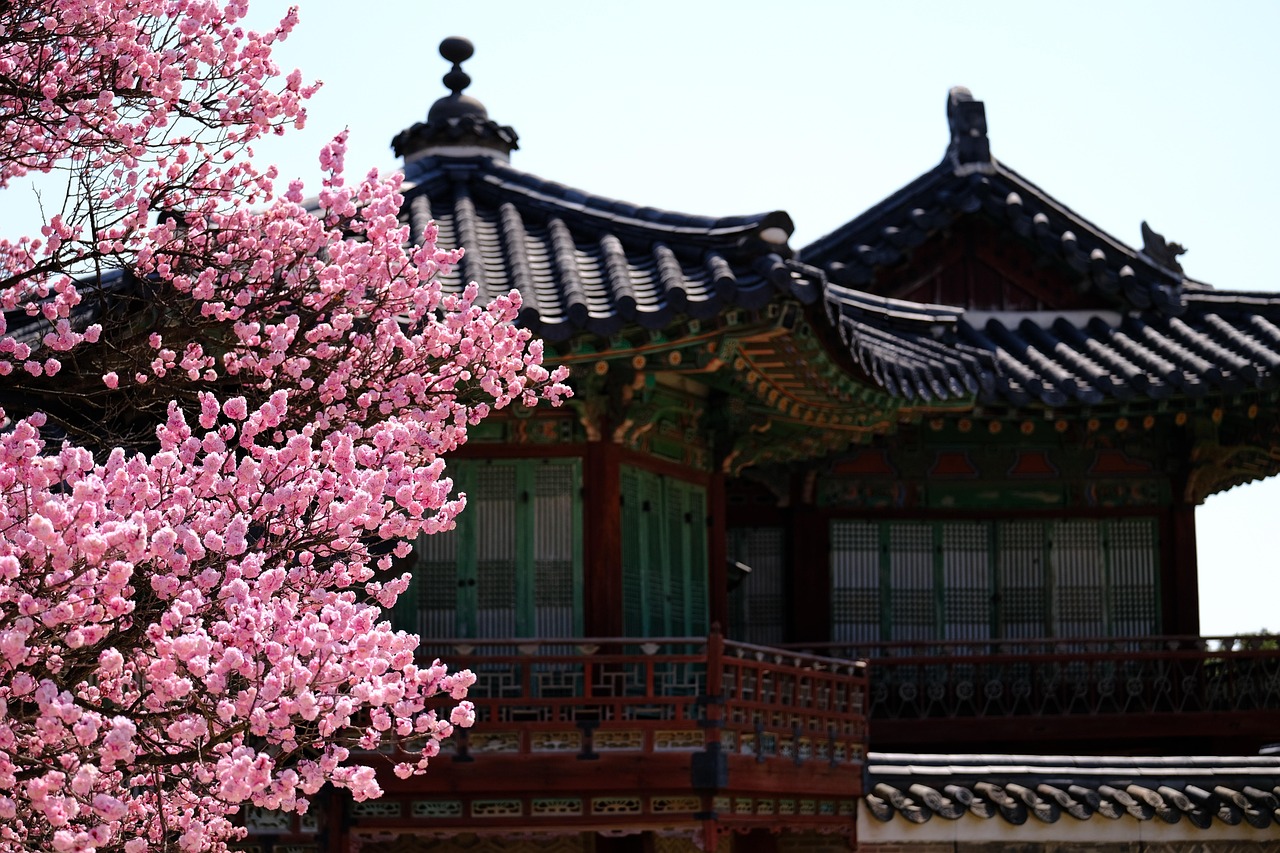
Reading Korean Hangul: Achieving the Language's Structure
The Korean writing system, Hangul, is a remarkable invention designed with practicality and aesthetics in mind. Unlike many other languages, Hangul is a phonetic alphabet, where each character represents a syllable, making it intuitive for beginners. This section examines the building blocks of Hangul, revealing how simple it is to create words and sentences. Understanding these fundamentals is crucial for anyone eager to explore Korean culture and history in Seoul or beyond.
Hangul consists of 24 letters, divided into 14 consonants and 10 vowels. These letters form blocks that, when combined, create words. The consonant '' (g) and the vowel '' (a) together make '' (ga), the first syllable of '' (autumn). The beauty of Hangul lies in its simplicity, allowing you to build words with ease. As you progress, you'll learn that adding different vowels to a consonant can dramatically change the meaning, creating nuanced expressions that are essential to mastering the language.
Sentence structure in Korean is typically Subject-Object-Verb, similar to English. However, the order can be flexible, especially in spoken language. When forming sentences, remember that adjectives and adverbs often follow the noun they describe. " " (I like high mountains) follows this pattern. Exploring these grammatical nuances through affordable Korean culture tours or interactive workshops can provide valuable context. Local korean history experts can offer insights into the evolution of language and its role in Korean society, enhancing your understanding of the culture and history of and history Korea.
By practicing with basic words and sentences, you'll quickly build a foundation for more complex phrases. Hangul's logical structure makes it an accessible language to learn, especially for those interested in immersing themselves in Korean culture. Whether you're inspired by traditional art like Gugak or the modern pop sensations like BTS, learning Hangul will open doors to a deeper appreciation of Korean culture and history in its original form.
Exploring Korean History Through Its Unique Alphabet

Reading Korean Hangul offers a unique window into the rich mix of Korean culture and history Korea. This alphabet, known as Hangul, is not only essential for communication but also a powerful tool for understanding the nation's past and present. Each character, or consonant-vowel combination, is carefully designed to represent sounds that don't exist in many other languages. This phonetic nature makes Hangul surprisingly easy to learn, especially for beginners.
By mastering Hangul, you gain access to a wealth of resources that can deepen your connection with Korean culture. Exploring traditional festivals like Chuseok or Seollal becomes more meaningful when you can read the announcements and decorations. The Korea Tourism Organization even offers numerous cultural experiences, from visiting historical sites to attending licensed Korean art workshops, all of which can enhance your understanding of and appreciation for Korean history. Cost-effective Korean fashion shopping in markets like Busan or around the Han River can provide insights into the evolving trends influenced by both traditional aesthetics and modern sensibility.
As you examine Hangul, consider the social and historical context that shaped it. The alphabet was created during the Joseon Dynasty, reflecting the Confucian values that underpinned Korean society at the time. The balance of Yin and Yang is evident in the design, showcasing the ancient Korean's profound philosophical insights. Learning Hangul is not just about reading; it's about immersing yourself in a culture that values simplicity, functionality, and elegance in its written form.
To begin your journey, join a Korean Language Institute, either in Seoul or online, where you can learn at your own pace. Take practice tests like TOPIK (Test of Korean as a Foreign Language) to measure your progress. Even a basic understanding of Hangul can open doors to local experiences, making your exploration of Korean culture and history Korea both enriching and enjoyable.
As you've explored the intricacies of the Korean alphabet, Hangul, this guide has illuminated its profound significance as a gateway to understanding Korean culture and history. From the foundational letters and sounds to building blocks for creating words and sentences, you've gained the tools to achieve a rich linguistic heritage. This knowledge is not just practical for communication; it's a key to appreciating the evolution of Old Korea, as seen through the Joseon Dynasty and its unique script. By mastering Hangul, you're not only preparing to read Korean literature, history, and media with greater comprehension, but you're also engaging more deeply with the cultural and historical context that shapes contemporary Korea. Moving forward, consider immersing yourself in Korean festivals like Chuseok and Seollal, exploring the music of Gugak and Aak, or examining the literary art of Pansori, all of which will further enrich your understanding of the vibrant mix that is Korean culture and history Korea.
Learning to read Hangul, the Korean alphabet, is a gateway to understanding Korean culture and history in Seoul. Its logical structure and phonetic nature make it accessible, reflecting the nation's commitment to innovation and simplicity. By mastering Hangul, you can explore traditional festivals, understand ancient traditions, and navigate Korean street food markets. It's a key to achieving the rich artistic heritage, from Gugak (traditional music) to Pansori (storytelling). Even a basic understanding can enhance your experience at Korean cinemas and make your trips to historical sites more meaningful. Hangul's design, reflecting Confucian values and philosophical insights, offers a unique window into Korea's past and present.