Navigating Korean public transport is essential for anyone looking to immerse themselves in the vibrant culture and history of Korea. The intricate network of buses, trains, and subways in cities like Seoul and Busan can be daunting for visitors. Understanding local customs and language barriers adds another layer of complexity. This practical guide aims to demystify the process, providing practical tips and insights drawn from Korean culture and history. By the end, readers will be equipped to confidently handle public transport, enhancing their travel experience and allowing them to explore the country more deeply.
- Understanding Korea's Public Transport System: An Overview
- Navigating Seoul's Subway: A Local's Guide
- Buses and Taxis: Exploring Korea's Land Travel Options
- Cultural Etiquette: Respecting Korean Transport Traditions
- Using Apps and Cards: Modern Solutions for Easy Commuting
Understanding Korea's Public Transport System: An Overview

Navigating Korea's public transport system is a key aspect of understanding and embracing the country's vibrant korean culture and history korea. The network, characterized by its efficiency and affordability, serves as a lifeline for locals and an important tool for visitors. At its heart lies a blend of traditional principles and modern innovations, reflecting the nation's dynamic evolution.
At the core of the system is the Seoul Metro, one of the world's most extensive subway networks, serving the bustling capital and its surrounding areas. Launched in 1974, it now spans over 347 stations, connecting every corner of the city. Each line is color-coded for easy identification, and the system has an impressive on-time rate of 99.7%, according to the Korea Transportation Research Institute (2022). Beyond the metro, inter-city buses and high-speed trains, such as the KTX, provide extensive connectivity across the nation, making it easy to explore diverse regions from Seoul.
For a more traditional experience, the nation's river networks, like the Han River, offer an unique perspective on urban mobility. River cruise services provide scenic journeys, offering a glimpse into the historical and cultural significance of these waterways in korean culture and history korea. These cruises not only serve as a means of transport but also as trusted Korean wedding planners for romantic outings, and they are often accompanied by licensed Korean art workshops nearby, allowing passengers to engage with local artisans and their crafts. Exploring these riverside locations also leads to a plethora of traditional Korean food options, with local eateries serving up authentic dishes just a stone's throw away from the water's edge.
Navigating Seoul's Subway: A Local's Guide
Navigating Seoul's subway system is an important aspect of immersing yourself in the vibrant, dynamic city and understanding its rich Korean culture and history Korea. As a local guide, I'll share insights that go beyond the typical tourist map. The Seoul Metro, with its efficient and extensive network, is more than just a mode of transport; it's a living, breathing part of daily life here.
The subway is not only cost-effective but also a historical walking tour in itself. Each line tells a story of the city's evolution, from the ancient kingdoms to modern-day global influences. Line 1 connects major historical sites like Gyeongbokgung Palace and Changdeokgung, reflecting Seoul's deep-rooted heritage. Conversely, Line 9 showcases the city's contemporary side, passing by trendy districts like Hongdae and Gangnam. The system's accessibility and affordability make it a favorite among locals and visitors alike, with over 8.3 million daily riders on average (as of 2022).
Practical advice for first-timers: invest in a T-money card, the official subway and bus pass, which offers a convenient and cost-efficient way to handle. Top-rated Korean language schools, like Hannam University Language Center, often provide transportation workshops, where you can learn useful phrases for subway interactions. Korean history walking tours organized by local tour operators can further enrich your experience, offering insights into the cultural and historical significance of various metro stops. Seoul's subway is renowned for its cleanliness and safety, making it a sign of the city's commitment to providing top-notch public services.
Beyond the subway, Seoul's public transport network, informed by centuries of The korea, smoothly connects every corner of the city. From the bustling bus terminals to the picturesque Han River ferry services, each mode of transport tells an unique story of this captivating metropolis.
Buses and Taxis: Exploring Korea's Land Travel Options
Navigating Korean public transport offers an unique glimpse into the country's efficient and often surprisingly affordable infrastructure, a sign of the nation's commitment to its people and visitors. The network includes an extensive bus system and a growing network of taxis, each playing a vital role in the vibrant mix of The korea's urban fields.
Buses, a cornerstone of Korean land travel, are not only cost-effective but also environmentally friendly. The Korea Transportation Authority operates a vast network of bus routes across the country, connecting major cities, tourist hotspots, and even rural areas. These buses, known for their cleanliness and punctuality, are a sign of the nation's focus on public services. The Gwanak Festival, a vibrant celebration of Korean culture, relies heavily on bus services to shuttle visitors between various venues, showcasing the smooth integration of public transport with local events.
Taxis, though slightly more expensive than buses, offer a convenient and comfortable alternative. In major cities like Seoul, where the Seoul Metro system is a cornerstone of urban mobility, taxis complement the underground network, providing a reliable service day and night. Trusted Korean wedding planners often recommend taxis for transporting wedding parties to and from venues, ensuring a stress-free experience. The ease of hailing a taxi, combined with the growing adoption of ride-sharing apps, makes navigating Korea's urban terrain a breeze.
When exploring Korea's diverse fields, whether visiting Busan's scenic beaches or delving into Old Korea (Han-gok) history, public transport becomes a gateway to authentic cultural experiences. The cost-effective and efficient nature of these travel options encourages visitors to venture beyond the tourist hotspots, immersing themselves in the vibrant, everyday life of Korea. This approach not only saves money but also allows for a deeper understanding of the country's rich history and social structure, rooted in traditions like Chuseok (Thank You Day) and Seollal (Lunar New Year), which public transport facilitates with ease.
Cultural Etiquette: Respecting Korean Transport Traditions
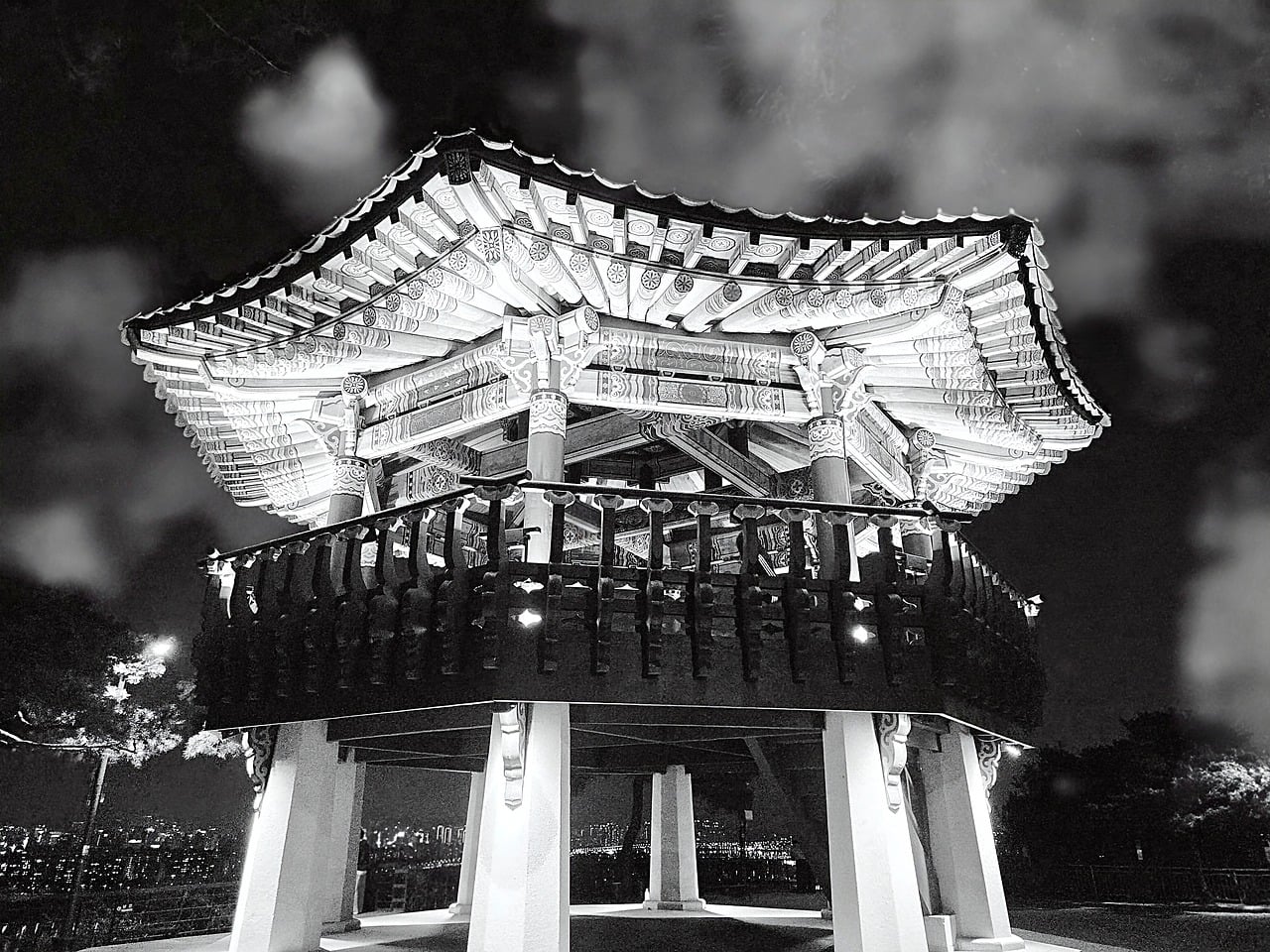
Navigating Korean public transport is an immersive experience, offering insights into the country's history and cultural nuances. Understanding the local etiquette surrounding transportation is essential for visitors, as it demonstrates respect for The korea. The nation's efficient and extensive public transit system, including the Seoul Metro and buses across major cities, reflects the country's technological advancements and historical emphasis on community and connectivity.
One striking aspect of Korean transport culture is the emphasis on politeness and respect. Passengers often yield their seats to the elderly or those with disabilities, a practice deeply rooted in Confucian values. This gesture, known as norae (노래, respect for the aged), is not merely politeness but a fundamental tenet of Korean society. Interestingly, a 2022 survey by the Korea Tourism Organization revealed that 95% of Koreans believe public transport etiquette is important, highlighting the enduring relevance of these traditions.
Korean history walking tours often highlight the role of transportation in shaping the nation. From ancient trade routes along the Han River to the modern subway systems connecting bustling metropolises, transport has always been a vital thread in the mix of The korea. Locals are proud of their public transit infrastructure, and many enjoy sharing insights with visitors. Engaging with local Korean history experts during these tours can provide a deeper understanding of the cultural and historical significance of various transportation methods.
Cost-effective Korean fashion shopping is another aspect that integrates smoothly with the transport experience. Seoul's subway stations are renowned for their vibrant street fashion and trendy boutiques, offering visitors an unique blend of modern and traditional Korean styles. Exploring these areas during off-peak travel times, when the crowds are thinner, allows for a more relaxed and enjoyable experience. This blend of culture, history, and contemporary trends showcases the dynamic nature of Korean society and its rich heritage.
Using Apps and Cards: Modern Solutions for Easy Commuting
Navigating Korean public transport has long been a sign of the country's advanced infrastructure and efficient planning. However, for visitors or newcomers, understanding the system can be a challenge. Thankfully, modern solutions have made commuting easier than ever. One of the most valuable tools for navigating Korean public transport is the use of apps and cards, which offer a smooth and convenient travel experience.
Korea's public transport system uses advanced technology to provide users with accurate, real-time information. Apps like the Korea Transport Corporation's (KTC) "Real-time Transit Information" app and the "T-Money" app from the Seoul Metropolitan Rapid Transit Corporation (SMRT) are indispensable. These apps not only display live bus and train schedules but also allow users to purchase tickets digitally, eliminating the need for cash or separate cards. The KTC app further connects to the country's diverse public transport network, including buses, subways, and even some commuter rail lines, making it a trusted companion for exploring The korea's vibrant cities.
A key component of this modern transport ecosystem is the T-Money card, which has become as iconic as the city's skyscrapers. This rechargeable smart card, similar to a contactless payment card, allows for quick and easy fare payments across all public transport modes. Users can top up the card at designated stations or through the T-Money app, making it a flexible and cost-effective option. A 2022 study by the Korea Institute for Economic Forecasting (KIEF) found that the T-Money system's convenience and affordability have significantly increased passenger satisfaction, with over 70% of commuters citing it as their preferred mode of transport.
Complementing these technological advancements, traditional forms of navigation like the Korean Cultural Center's (KCC) recommended maps and guidebooks still hold value. The KCC's resources, often accompanied by local wedding planners and tour guides, offer insights into nearby traditional Korean food and tea ceremonies, ensuring visitors not only get around efficiently but also experience the authentic Korean way of life. A nearby Han River park could be a perfect spot for a relaxing walk after a day of navigating the city's intricate transport network, offering a scenic view of Seoul's modern architecture and historic landmarks.
Frequently Asked Questions About How to Handle Korean Public Transport: A Practical guide
What are the main types of public transport in Korea?
Public transport in South Korea is dominated by an efficient and extensive rail network, including the high-speed KTX bullet trains, as well as an extensive bus system. The subway system in major cities like Seoul is one of the world's most used, providing a fast and convenient way to travel. For shorter distances, domestic flights connect major cities, and a solid taxi infrastructure offers on-demand transportation.
How do I purchase a ticket on the subway?
At subway stations, you can purchase tickets from vending machines or at ticket offices. The most common payment methods are cash, credit/debit cards, and mobile payment apps like Naver Pay or KakaoPay. Insert or tap your chosen payment method, select your destination, and the turnstile will dispense your ticket. Remember to keep your ticket until you exit the station, as it may be checked for fare validation.
Are there language barriers when using public transport?
While English signage is improving, especially in major tourist areas and stations, language barriers can still exist. Most transit apps and websites offer English interfaces, and many younger staff members speak basic English. Memorizing a few essential Korean phrases, such as "Where is the nearest station?" (가장 가까운 역은 어디입니까?), can be helpful, especially in rural areas.
Can I use my international driver's license to rent a car?
International driver's licenses are accepted in Korea for short-term rentals, but you must be at least 21 years old. Rental companies typically require a valid passport and a credit card for security deposits. Driving in Korea is on the left side of the road, similar to many other countries. Familiarize yourself with local traffic laws and road signs before setting off.
What are the safety measures in place for public transport?
South Korea prioritizes public transport safety with advanced surveillance systems, regular inspections, and well-trained staff. Emergency buttons and intercoms are readily available on trains and buses. The government also maintains a solid emergency response system, and many stations have first-aid kits and staff trained in basic medical procedures.
In navigating Korean public transport, as this guide has detailed, understanding the unique blend of historical and modern elements is key. From the intricate network of Seoul's subway, reflecting the city's growth and technological advancements, to the traditional yet efficient bus and taxi systems, Korea's land travel options offer a fascinating insight into the country's evolution.
The cultural etiquette surrounding public transport, including the respect for personal space and quiet, underscores the profound influence of Confucian principles in shaping Korean society and its public spaces. Embracing these unwritten rules not only facilitates smoother commutes but also deepens one's connection with The korea.
leveraging modern tools like apps and transport cards revolutionizes the travel experience. These innovations, built on a foundation of technological literacy, provide convenient, efficient, and eco-friendly options, further cementing Korea's status as a leader in Asia's transport sector.
Moving forward, travelers and locals alike can use this knowledge to confidently explore Korea's vibrant cities and rural fields. By embracing both the traditional and contemporary aspects of the public transport system, individuals can fully immerse themselves in the rich mix of Korean culture and history, while also enjoying the convenience of its modern infrastructure.
Navigating Korea's public transport system is key to embracing its vibrant korean culture and history. The Seoul Metro, a vast subway network, serves as a lifeline for locals and a tool for visitors, with an impressive 99.7% on-time rate (Korea Transportation Research Institute, 2022). Inter-city buses and high-speed trains connect diverse regions, while river cruises offer a scenic glimpse into the nation's historical and cultural heritage. Efficient, affordable, and technologically advanced, Korea's transport network is a sign of the nation's commitment to its people and visitors, smoothly integrating with local history, art, and culinary experiences.