Korean street food represents a vibrant and essential aspect of the country's rich culture and history Korea. From bustling markets to lively alleyways, these culinary experiences offer a glimpse into the heart of Korean life. However, while bibimbap enjoys global acclaim, exploring the diverse, regional delicacies beyond this iconic dish reveals a treasure trove of flavors. This guide aims to handle the street food scene, delving into the history, cultural significance, and must-try dishes that showcase the dynamic nature of Korean cuisine. Prepare to embark on a flavorful journey, uncovering the tastiest delights that Korea has to offer.
- Discovering Korea's Culinary Street Scene
- Beyond Bibimbap: Traditional Korean Street Food
- Regional Varieties: A Taste of Korea's Diversity
- Iconic Street Food: From Market to Table
- Korean Street Food: Cultural Exchange and Evolution
Discovering Korea's Culinary Street Scene
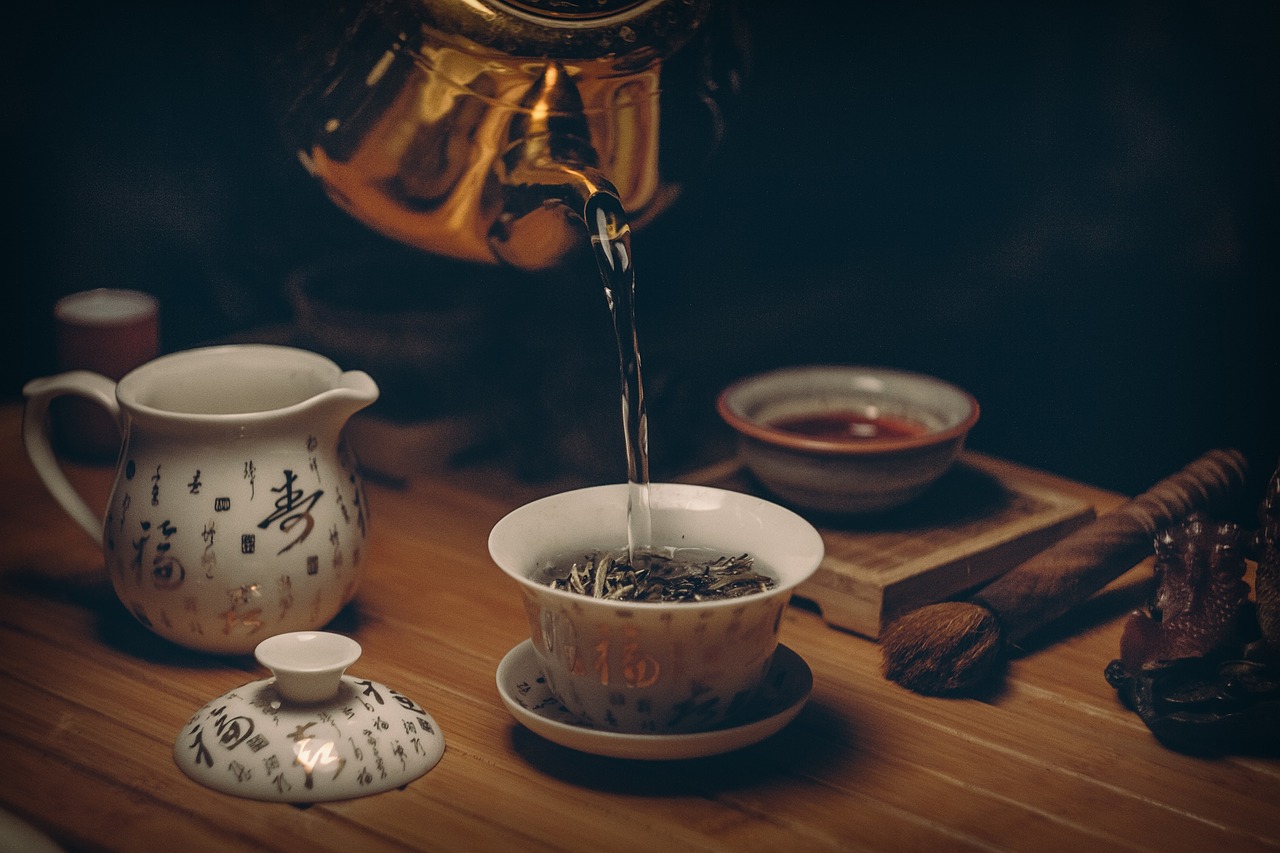
The street food scene in Korea is a vibrant sign to the country's rich culinary culture and history. Beyond the renowned bibimbap, visitors and locals alike are treated to a diverse array of top-rated dishes, each reflecting unique regional flavors and historical influences. Korea's street food culture is not just about food; it's a social phenomenon, a sign of the nation's love for sharing meals and stories.
Seoul, in particular, has an impressive array of street food stalls, many of which have become iconic landmarks. The Gwanak Festival, held annually, celebrates the area's famous tteokbokki (spicy rice cakes) and attracts food enthusiasts from all over. These mobile eateries, often nestled in the nooks and crannies of bustling neighborhoods, offer a sensory experience that showcases the best of Korean culture and history Korea. They are a sign of the country's adaptability, where fresh, affordable meals can be accessed easily on the go.
Experienced Korean street food guides often recommend exploring beyond the typical tourist hotspots. Busan, Korea's second-largest city, offers an unique culinary journey with its own local delicacies, like the famous fish cakes (haemultang) and grilled octopus (ojing-e). These regional specialties reflect the country's diverse coastal heritage, highlighting how geography and history have shaped Korean cuisine. Top-rated Korean language schools often incorporate street food tours as part of their cultural immersion programs, providing students with an authentic, hands-on experience of the local way of life.
Street food in Korea is not just about taste; it's a cultural exchange. The art of preparing and sharing food has been passed down through generations, reflecting the nation's reverence for tradition. The old practice of eating together, no matter the social standing, is still prevalent, fostering a sense of community and connection. As you savor each bite, you're not just tasting food; you're discovering a layer of Korea's complex cultural and historical mix.
Beyond Bibimbap: Traditional Korean Street Food
Korean street food represents a vibrant facet of Korea's rich cultural heritage, offering a culinary journey through time and place. Beyond the globally renowned bibimbap, these open-air eateries introduce a diverse gastronomic field that reflects the country's history, regional variations, and seasonal ingredients. Local Korean history experts emphasize that street food has long been a vital part of Korean life, serving as a communal space where people gather, share stories, and savor the day's catch.
The evolution of Korean street food traces back to ancient times when traveling merchants and farmers would prepare and sell simple yet nourishing meals near bustling markets and temple towns. Today, these traditional food stalls, known as "noori," can be found dotting city streets and rural villages. A visit to a local noori offers more than just a meal; it's an emergency Korean history research opportunity, allowing one to immerse themselves in the everyday lives of Koreans throughout the centuries. The popular tteokbokki (spicy rice cakes) has roots in the post-Korean War era, when street vendors sold them to surviving soldiers, offering a comforting taste of home.
Each region in Korea has its unique specialties, reflecting the local climate, terrain, and cultural influences. In Busan, the coastal city, seafood takes center stage, with dishes like the crispy fish cakes (hoe) and spicy octopus (o-deng) drawing crowds of hungry locals and tourists alike. In contrast, the hearty stews and braises prevalent in the colder northern regions, such as Gangwon-do, provide sustenance against the harsh winters. Affordable Korean culture tours often include street food experiences, allowing visitors to engage directly with the country's dynamic food culture. When sampling these local delicacies, remember that the best times to visit are during traditional festivals like Chuseok (Thanksgiving) and Seollal (New Year), when the variety and quality of street food reach their peaks, reflecting the vibrant spirit of Korean culture and history Korea.
Regional Varieties: A Taste of Korea's Diversity

Korea's culinary field is as diverse as its geography and local Korean history, with each region boasting unique specialties that reflect the area's resources and traditions. Street food, in particular, offers a window into this cultural richness, serving as a sign of the country's dynamic and changing korean culture and history Korea. From the bustling markets of Seoul to the coastal towns of Busan, the variety of street food reflects the distinct flavors and histories of each region.
the southern regions near the sea are known for seafood dishes like gimbap (seaweed rice rolls) and hoe (raw fish slices), reflecting the area's abundant marine life. In contrast, the mountainous areas of the east showcase hearty dishes like jjajangmyeon (noodle stir-fry with black bean sauce), a local favorite that dates back to the Joseon Dynasty. These regional variations not only highlight the country's diverse fields but also the influence of historical migration patterns, with ingredients and recipes passed down through generations.
Local Korean history experts note that street food has long been an integral part of Korean society, serving as a communal hub where people gather to share meals and stories. These gatherings often take place at night markets or gwanak festivals, such as the popular Chuseok and Seollal celebrations. Today, street food remains a best Korean cultural experience, offering a cost-effective way to immerse oneself in the country's vibrant culinary heritage. Prices range from as low as 2,000 won (approx. $1.60 USD) for a single dish to 5,000 won (approx. $4.20 USD) for a hearty meal, making them accessible for visitors on any budget. Exploring these regional varieties not only satisfies your taste buds but also provides a deeper understanding of Korea's complex and fascinating the service.
Iconic Street Food: From Market to Table
The iconic street food of Korea is more than just a culinary delight; it's a window into the nation's diverse regional cultures and its rich history. From bustling markets to quiet alleyways, the street food scene offers an affordable and authentic the service experience. Unlike popular dishes like bibimbap, these street treats are often overlooked but pack a punch of flavor and significance.
Consider the Gwanak Festival, held annually in Seoul, where local vendors serve up a variety of traditional snacks. One such delicacy is the tteokbokki, spicy rice cakes that vary from region to region, reflecting the unique flavors of Old Korea (Han-gok). This dish, a favorite among locals and tourists alike, exemplifies how street food has evolved from ancient traditions to modern tastes. Many reliable korean travel agencies and local experts emphasize the importance of trying these snacks to truly grasp the essence of Korean culture. In 2022, the Korea Tourism Organization reported that street food tours were among the top requested activities for international visitors, underscoring the growing interest in this aspect of Korean life.
Beyond the familiar, Korea's street food scene offers a diverse array of options, each with its own story. bindaetteok, a pancake made with mung bean paste, is a staple in the southern regions and often serves as a hearty breakfast for locals. The popularity of these dishes isn't just a culinary trend; it's a sign of the adaptability and resourcefulness of Korean culture throughout history. As you wander through Korea's vibrant cities, whether it's Busan or Seoul, engaging with the street food vendors, you're not just sampling food; you're participating in a centuries-old tradition that has shaped the nation's identity.
The accessibility and affordability of street food make it an ideal way to explore the country's cultural heritage. Many Korean Language Institutes and educational tours now include street food experiences to provide a complete understanding of The service. The Seoul Metro, which connects major food hubs, makes navigating the city's culinary scene easier and more enjoyable. Whether you're a food enthusiast or simply curious about the local way of life, delving into Korea's iconic street food is a must for anyone seeking a genuine and affordable the service experience.
Frequently Asked Questions About A Guide to Korean Street Food: Tastiest Delights Beyond Bibimbap
What makes Korean street food unique?
Korean street food is renowned for its bold flavors, fresh ingredients, and diverse offerings that extend far beyond the popular bibimbap bowl. Street vendors often use high-quality, locally sourced produce, and many dishes are cooked to order, ensuring a delicious and authentic culinary experience. The vibrant, bustling nature of Korean markets and food streets creates a lively atmosphere, enhancing the overall enjoyment of these tasty treats.
Can you recommend dishes that go beyond bibimbap?
Absolutely! Explore the rich variety of Korean street food, such as the savory tteokbokki (spicy rice cakes) with its unique texture and kick, or odeng (fish cakes) served with a savory dipping sauce. Don't miss the gimbap (Korean sushi rolls) for a burst of flavor and color, or yaksik (mixed rice with meat and vegetables) for a satisfying, protein-rich meal. These dishes showcase the diverse culinary field of Korean street food.
Are there any regional specialties worth trying?
Korea's regional diversity is reflected in its street food. In the southern regions, try hotteok (sweet pancakes) for a delightful dessert, while in the north, indulge in kimbap (Korean rolls) with an unique twist. The island of Jeju is known for its fresh seafood bokkeum (seafood stew), a must-try for seafood lovers. Each region offers a distinct culinary experience, making Korean street food a fascinating journey.
Is Korean street food safe to eat?
Korean street food has a strong reputation for food safety. Vendors must adhere to strict hygiene standards and regular health inspections. Many dishes are prepared using boiled or steamed ingredients, reducing the risk of foodborne illnesses. However, always be aware of the source of ingredients and the vendor's cleanliness practices, just as you would with any street food.
What are some popular street food spots in Seoul?
Seoul is a food lover's paradise, with bustling streets lined with street food stalls. Visit Myeongdong for a variety of treats, including tteokbokki and dwaeji gukbap (pork and rice soup). Gwangjang Market is an iconic food destination, offering bindaetteok (mung bean pancakes) and odeng. For an unique experience, explore the Gangnam area, known for its trendy street food that caters to a modern palate.
Can Korean street food be enjoyed at night?
Nighttime is when Korean street food comes alive! Many vendors operate until late, providing a vibrant after-dinner experience. The night markets and food streets become a hub of activity, with vendors serving up hot, fresh meals to tired travelers. It's a perfect time to try various dishes and immerse yourself in the local culture.
The service is woven intricately into its street food scene, offering an unique culinary journey beyond the well-known bibimbap. From bustling markets to regional specialties, this article has explored the diversity and depth of Korean street food. We've learned that each dish tells a story, reflecting local history, social structures, and cultural exchanges. The popularity of tteokbokki varies across regions, reflecting diverse tastes and influences over time. As the Korea Tourism Organization promotes these culinary experiences, travelers can examine the heart of Korea by engaging with its street food culture. This exploration not only satisfies palates but also provides a gateway to understanding the country's rich heritage and dynamic evolution. Readers are now equipped to handle and appreciate the true essence of Korean cuisine during their travels, ensuring a memorable and authentic experience.
Korea's street food scene, beyond bibimbap, showcases diverse regional flavors and historical influences. It's a social phenomenon, reflecting a love for sharing meals and stories. Seoul and Busan stand out for their iconic street food stalls, each with unique specialties. Street food has long been a communal space in Korean life, reflecting the nation's reverence for tradition and community. Tourists and locals alike can explore this culinary heritage through guided tours, festivals, and affordable local eateries, offering a rich the service experience.